NEW
No recent searches
Start typing to search the collection.
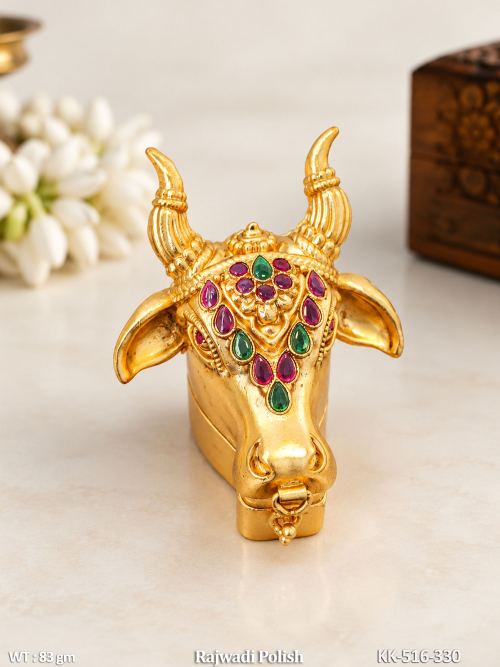
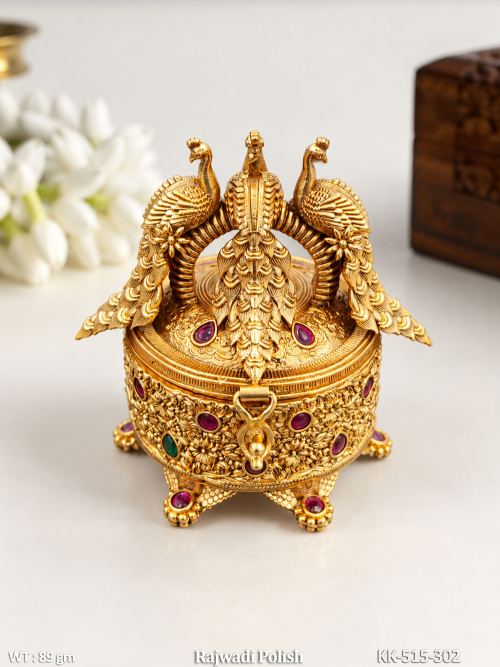
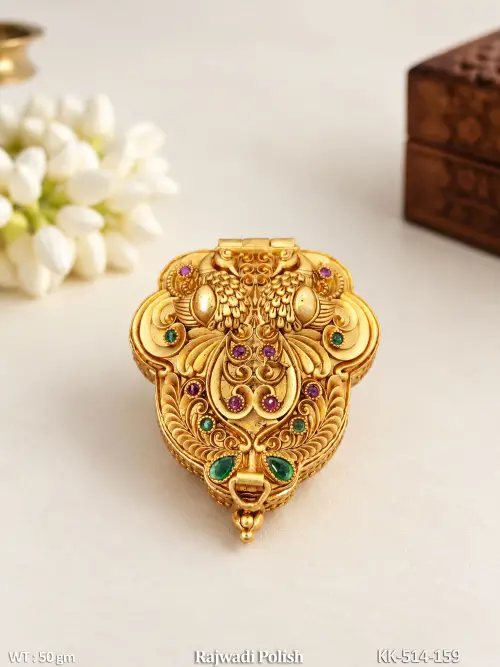
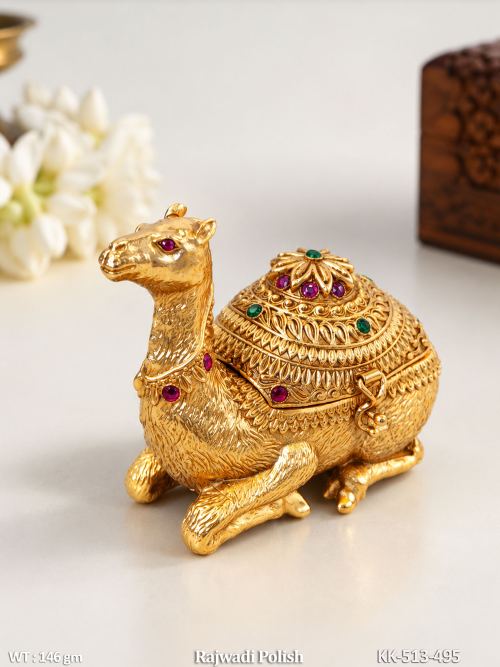
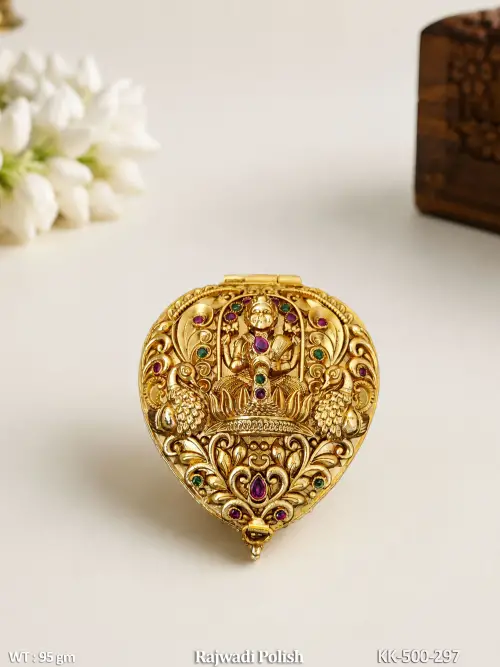
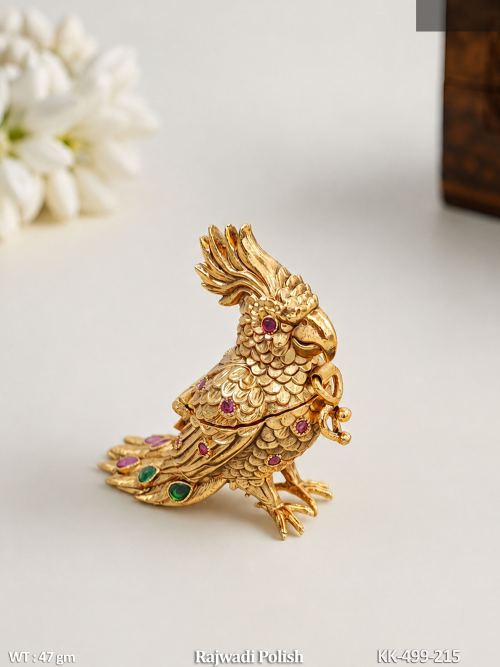
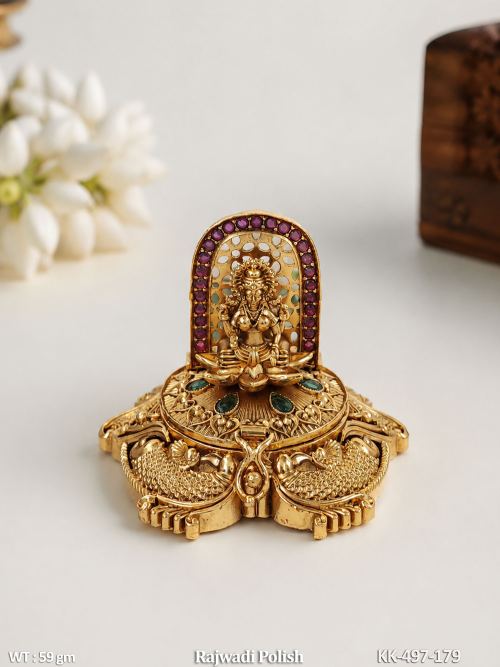
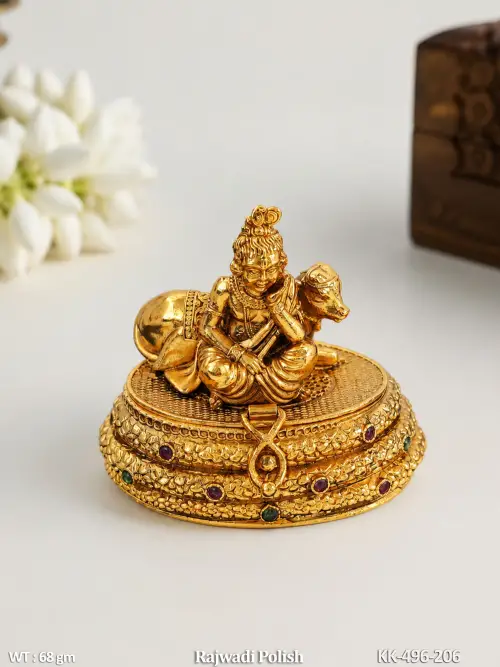
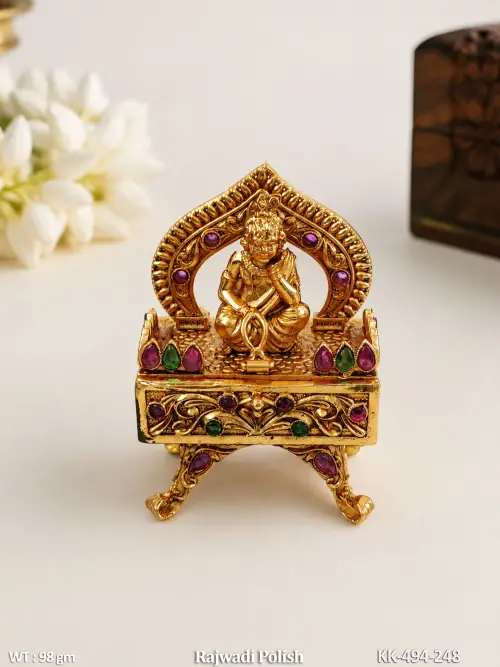
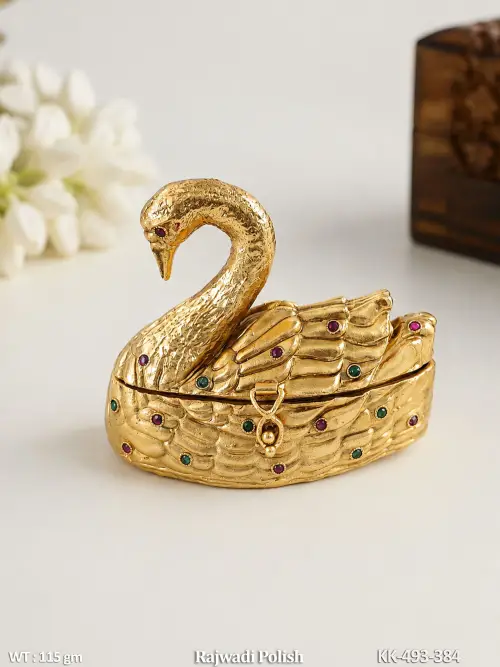
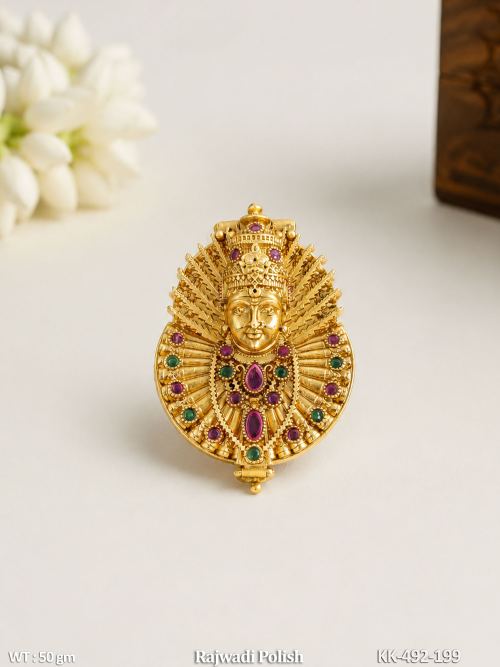
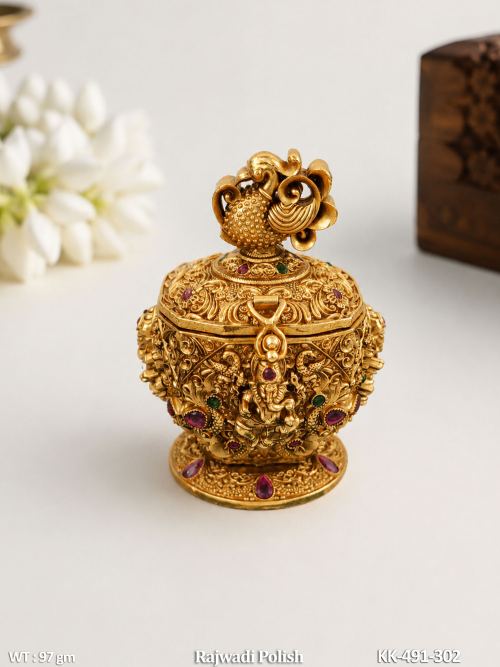
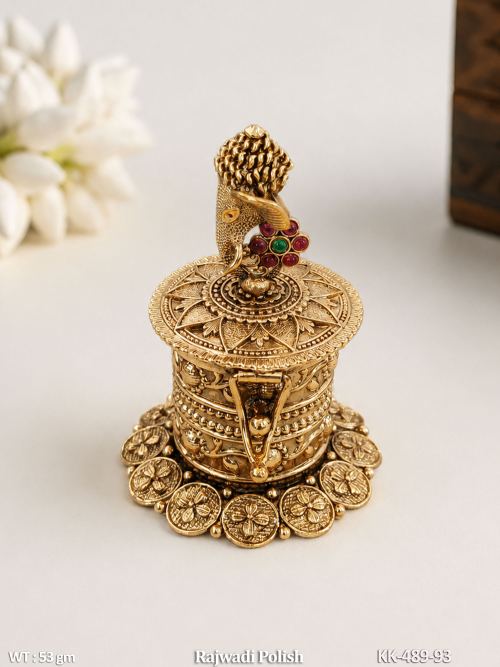
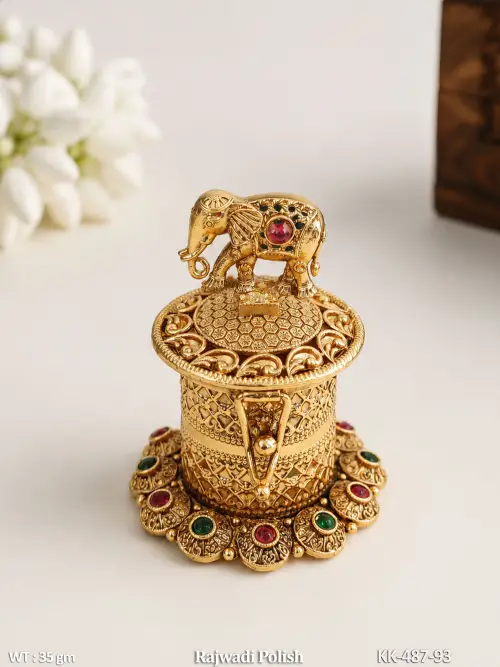
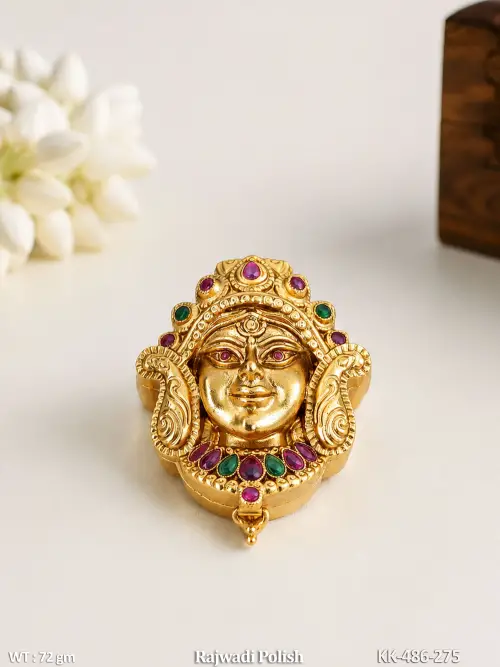
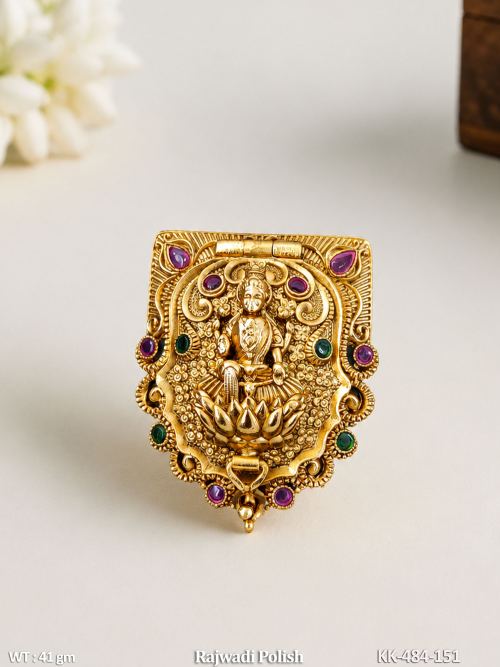
This page lists the sindoor box, also called a kumkum box or sindoor dabbi, in temple, Rajwadi and antique styles. Each one is a small lidded box finished like temple jewellery, with a deity figure, a peacock or a floral motif on the lid and stone work around it. The boxes are decorative artificial pieces for gifting and for your own table. For jewellery in a similar style, see temple jewellery and antique jewellery.
A head-to-toe bridal jewellery checklist usually covers a maang tikka or matha patti, earrings, a nath, one to three necklaces, bangles or kada, a…
Sindoor box: a small container with a lid, made to hold sindoor, the red powder worn along the hair parting in many Hindu communities. It is also sold as a kumkum box, sindoor dabbi or sindoor dibbi.
The Wikipedia entry on sindoor describes the powder and its regional names, and notes that kumkum is the South Indian term for a related red powder. A sindoor box holds either one, and shoppers use the names interchangeably. Here we describe the box, its style and its finish, and we do not make claims about how it is used in any ritual.
In shops the two words are used for the same kind of container. Sindoor is the Hindi word, and kumkum is the South Indian term for a related powder, so kumkum box is common in the South and in Maharashtra. Dibbi, also spelled dabbi, is a Hindi word for a small box, so sindoor dabbi and kumkum dabbi are the same product. Browse this page whichever name you search with.
| Name you may see | What it means here |
|---|---|
| Sindoor box, sindoor dabbi, sindoor dibbi | A small lidded box for sindoor |
| Kumkum box, kumkum dabbi | The same kind of box, named for kumkum |
| Haldi kumkum box | A box used for turmeric and kumkum at a haldi kumkum gathering |
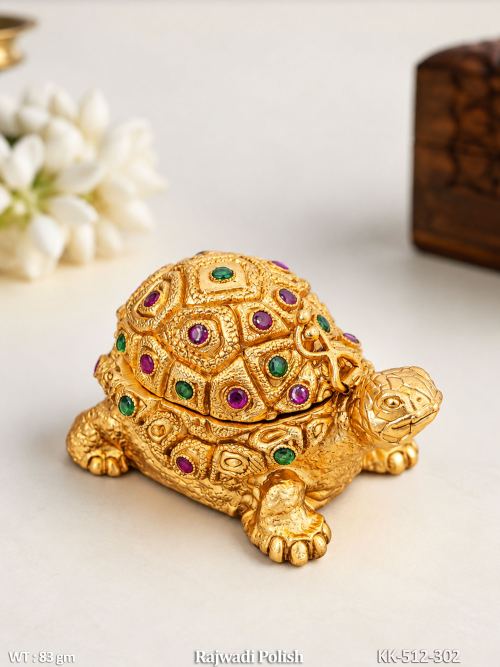
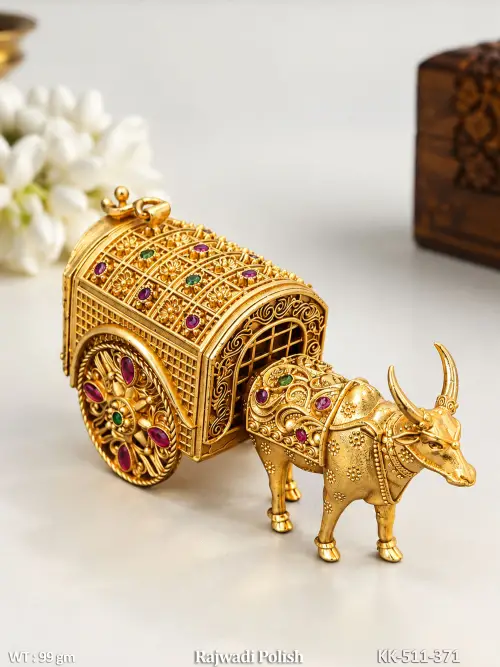
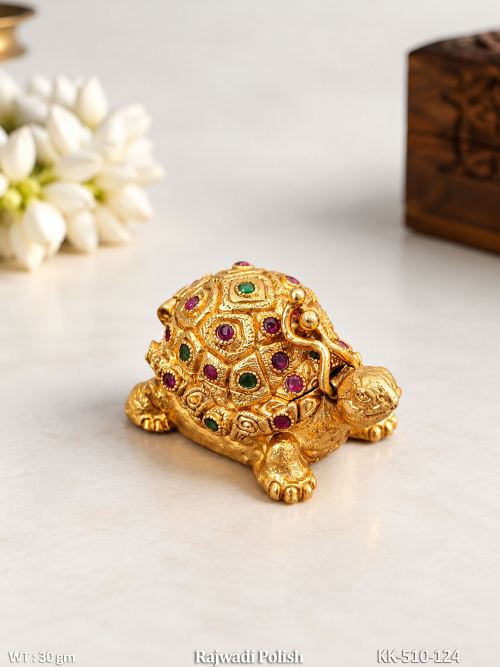
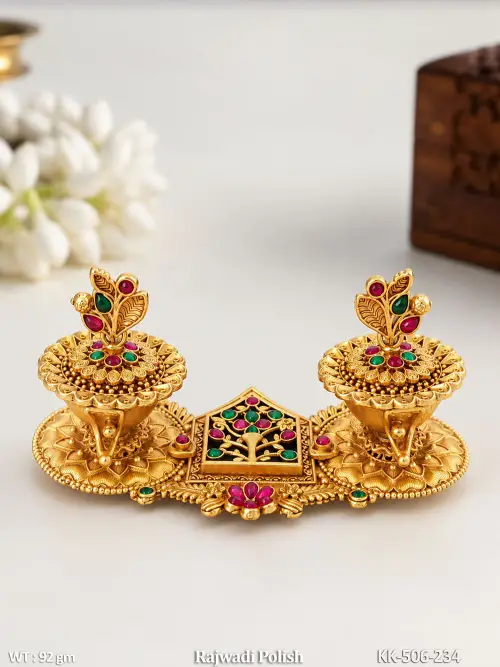
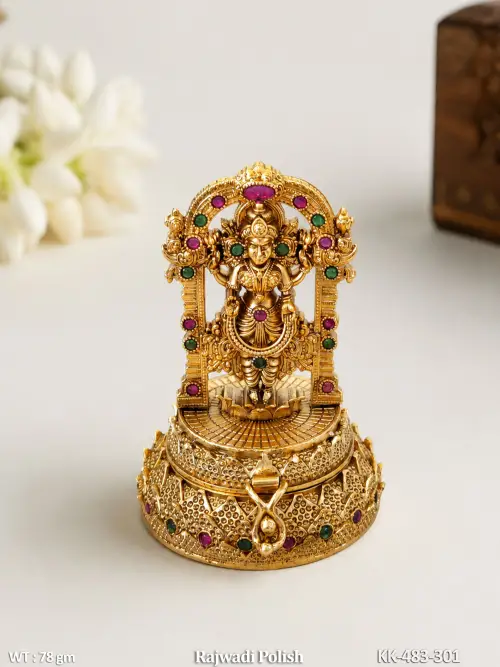
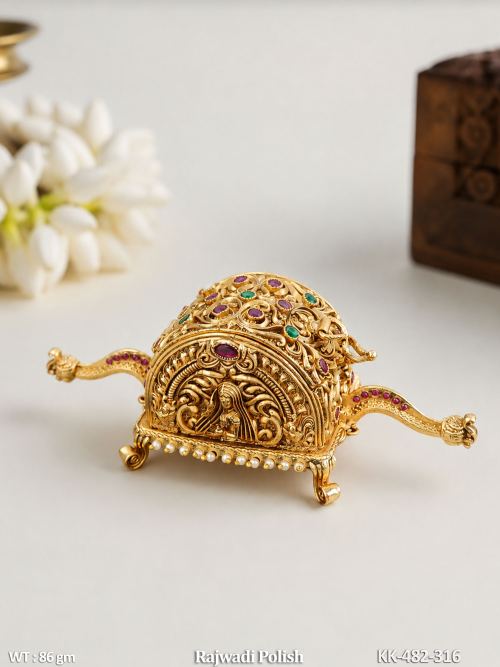
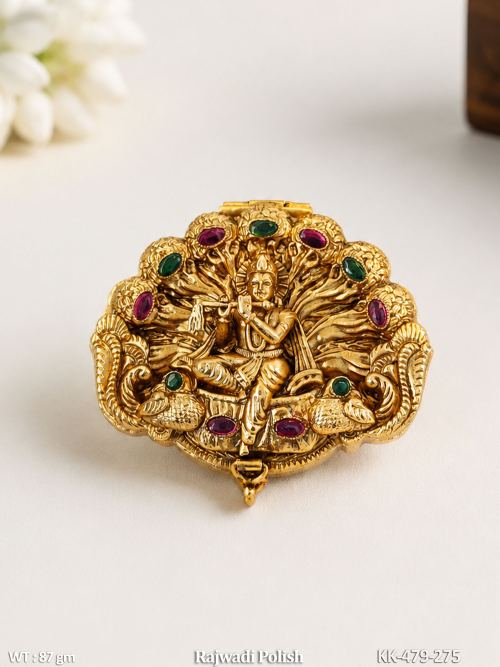
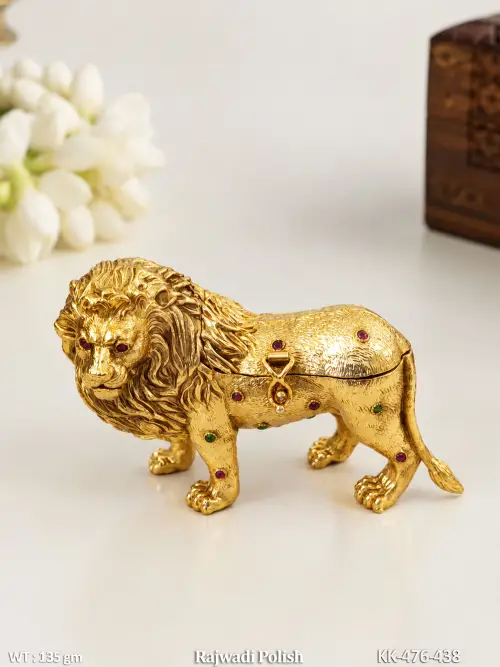
The photos show small boxes with a lid, set on a base or a flared foot, in a gold-tone finish with coloured stones in ruby red and green. Many have a figure or motif standing on the lid. The weight of the piece is printed on many product photos, which helps you compare how substantial each one is. We do not publish the inside depth or the volume, so use the photos for proportion.
| Design | What you see | Good for |
|---|---|---|
| Deity figure on the lid | Lakshmi, Ganesha or Krishna figures in a temple-art finish | Festival gifting, home display |
| Peacock | A peacock motif or a peacock-shaped lid | Gifting, a colourful display |
| Floral and geometric | Petal, lotus and pattern work around the lid | A quiet display, everyday use |
| Rath and animal designs | A chariot or lion motif | A statement piece on a shelf |
| Stone-studded lid | A lid set with stones in a simple shape | Weddings, bridal tables |
Temple jewellery is a style inspired by sculpture in temples, and it uses figures, lotus petals and detailed patterns. Rajwadi and High Gold are finish names printed on the photos and titles, and they describe the colour of the surface, from warm yellow gold-tone to a softer, aged tone. Antique means an aged finish with little shine. None of these words says what the metal under the finish is, so judge the colour from the photos.
Most people keep sindoor or kumkum powder in it, and some use a box for haldi or other small items on a dressing table. Check the opening and the lid in the photos before you decide. The pieces are decorative, so test how your powder fits inside, and keep the box clean and dry.
Haldi kumkum is a social gathering held in parts of India such as Maharashtra, Karnataka, Telangana, Andhra Pradesh and Goa, in which women invite guests and exchange turmeric and kumkum, along with small gifts, as the Wikipedia entry on Haldi Kumkum explains. Customs vary by family and community. Some hosts present a small box, and a decorative kumkum box is one choice among many. Our haldi, mehendi and sangeet jewellery guide is a good companion for the outfit.
For gifting, pick a design that the receiver would enjoy on a shelf, for example a peacock or a Lakshmi figure, and look at the finish in the photos. A bold Rajwadi finish looks festive, and a simpler floral lid suits a quiet taste. Keep the festival in mind, since the box can be a lovely addition around Diwali or a housewarming. For more ideas, read our Diwali and Bhai Dooj jewellery gift ideas.
Each photo carries small printed details. Use them to compare designs before you buy.
| On the photo | What it tells you |
|---|---|
| WT with a number in grams | The weight of the piece, where printed |
| A finish name such as Rajwadi Polish or High Gold | The colour of the surface |
| A product code | The design code, useful when you contact us |
A bride may choose a stone-set box in the same finish as her jewellery, so the box matches the necklace set and bangles on the dressing table. Rajwadi and antique finishes pair well with kundan-style and temple jewellery. See the necklace sets, bangles, maang tikka and dulhan set pages for jewellery in the same tones. We describe the look only, and we make no claim about ritual significance.
The boxes share their finish with temple jewellery, so you can match them with temple necklace sets and temple pendant sets. For a Karwa Chauth look, our Karwa Chauth jewellery guide shows pieces that work with a festive saree. Maharashtrian styles are on the Maharashtrian jewellery page.
Sindoor boxes are decorative pieces, so prices depend on size, weight and stone work. Use the price filter above the products to set your limit and compare designs inside it. Free shipping starts at Rs 499, so adding a matching earring pair can help an order reach it.
Keep the box closed and dry, away from water and strong perfume. Wipe it with a soft dry cloth, and use a soft brush for the gaps around the stones. Keep it away from sharp objects that can scratch the finish. These habits help any decorative artificial piece, though no finish can be promised to last forever.
Questions about a design? Contact us with the product code, read about OyeKudiye or check the shipping policy. Orders outside India are handled on request.
Sources: Sindoor, Wikipedia and Haldi Kumkum, Wikipedia (cultural background only). Size, material and capacity of each box are not published on this page, so check the product page.
A sindoor box, also called a sindoor dabbi or dibbi, is a small lidded container for sindoor, the red powder worn along the hair parting in many Hindu communities. The boxes on this page are decorative artificial pieces finished like temple jewellery, with a figure or motif on the lid.
There is no difference in the product. Shops use both names for the same kind of small lidded box, and the choice of word varies by region. Sindoor is the more common word in the North, and kumkum is common in the South and in Maharashtra.
Most buyers keep sindoor or kumkum powder in it, and some use it for haldi or small items on a dressing table. Because the box is decorative, check the opening and the lid in the photos, and test how your powder fits inside.
A stone-set box in the same finish as the bridal jewellery looks coordinated on a dressing table. Rajwadi and antique finishes pair well with kundan-style and temple sets. We describe only the look of the box and do not claim any ritual meaning.
Choose a design that the receiver would like on a shelf, such as a peacock, a Lakshmi figure or a floral lid. Bold Rajwadi finishes look festive, and simple lids suit quiet tastes. Check the finish in the photos, and contact us with the product code for any detail.
Haldi kumkum is a social gathering in parts of India such as Maharashtra, Karnataka and Goa, where women invite guests and exchange turmeric and kumkum with small gifts. Customs vary by family. Some hosts present a decorative kumkum box, though many other items are also used.
Temple style means designs inspired by temple sculpture, such as figures and lotus patterns. Rajwadi is a finish name for a warm, royal-looking gold-tone surface, shown on the product photo. Both words describe the look and say nothing about the metal underneath, so judge the colour from the photos.
The boxes on this page have lids, and some titles mention a stone-studded lid. We do not state a mirror on this page, so rely on the photos: if none is shown, do not assume one. Contact us with the product code if you are unsure.
Wipe it with a soft dry cloth and use a soft brush for the gaps around the stones. Keep it away from water and strong perfume, and store it closed. Avoid scratching the finish with sharp objects. No finish can be promised to last forever.
These are small boxes, and the weight is printed on many product photos, which helps you judge how substantial each one is. We do not publish the inside depth or the volume on this page. If size matters, contact us with the product code before you order.
Some listings mention pooja in the title. How and where a box is used is a family choice, and we describe the box and its look without making claims about ritual use. Choose a design whose finish and motif you like.
Both terms describe decorative pieces finished without precious metal or stones. Artificial is the word most shoppers use now, and imitation is an older word with the same meaning here. Each product page lists the finish and the stones of that design.
Prices depend on size, weight and stone work, from simpler lids to detailed pieces with figures and many stones. Use the price filter above the products to set your limit, and sort from low to high to compare. Weight printed on the photo can help you compare value.
Cash on delivery is available on orders above Rs 499 within India. Below that value you can pay online with the options at checkout. Free shipping applies to orders of Rs 499 or more, and a sindoor box often reaches that value on its own or with one more piece.
You can report a wrong, damaged or defective piece within 2 days of delivery, and the steps are on our returns and refunds page. Check the product photos and design code before ordering. The 2-day window applies to orders within India only, and international orders are handled on request.
SIGN IN OR JOIN
Enter your mobile number or email. We will send a one-time code, no password needed.
You will be asked to accept our Terms and Privacy Policy when you create an account.
VERIFY
We sent a 6-digit code to .
ONE MORE STEP