SHOP
Maharashtrian Jewellery
Maharashtrian jewellery, also searched as Marathi jewellery, is a style of pieces designed in the Maharashtrian look, shown here as a nose ring (nath), pearl earrings and a few necklaces. Many listings are sold as a Maharashtrian jewellery set, for example a combo pack of nose rings or a necklace set with jhumka. Everything on this page is artificial jewellery made in India on a metal alloy base, with artificial pearls and stones. For other traditional looks, see Heritage Jewellery, Temple Jewellery and Antique Jewellery.
Maharashtrian Jewellery designs
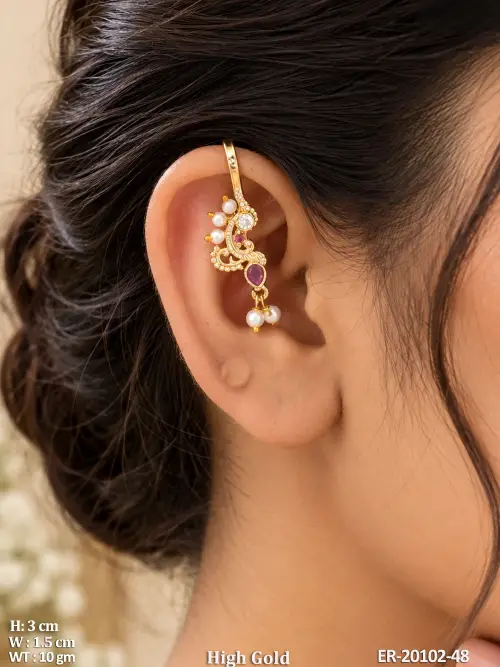
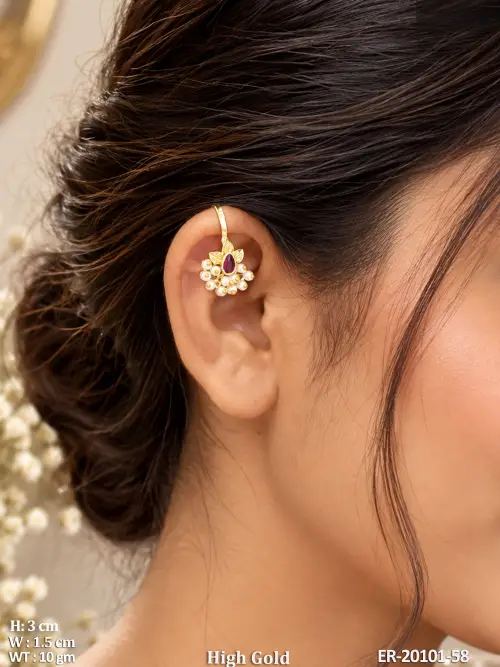
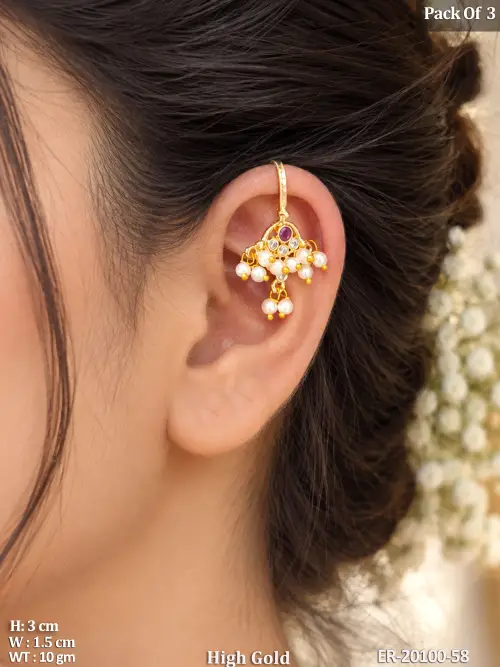
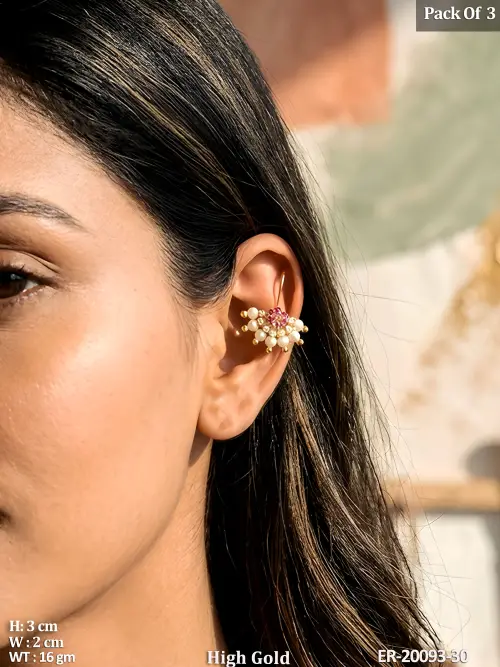
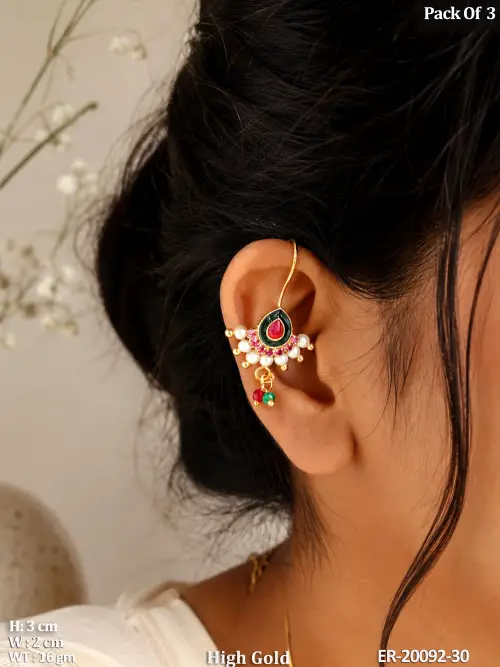
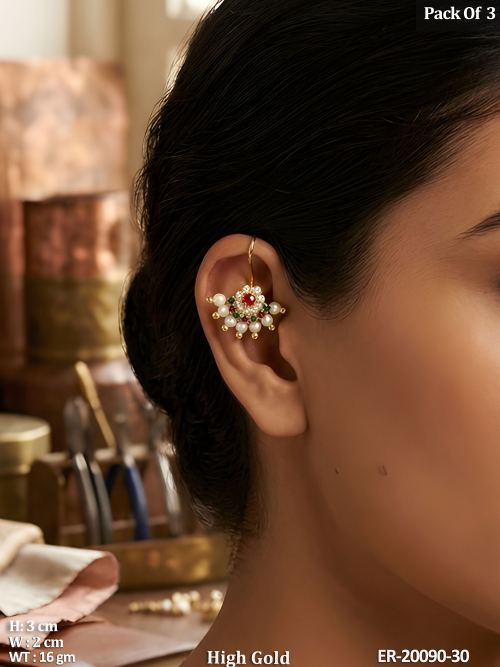
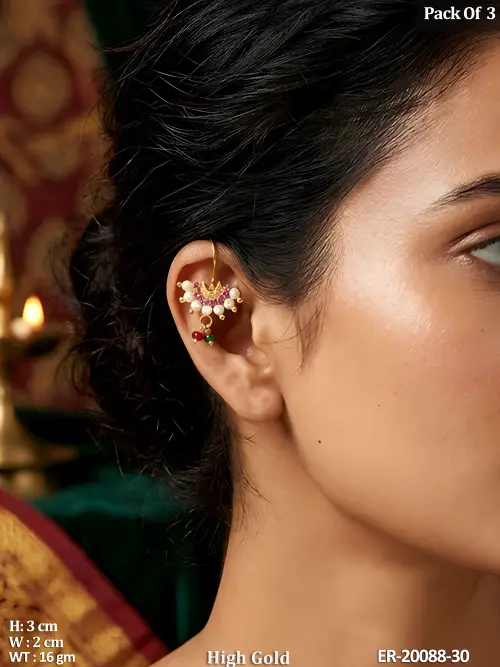
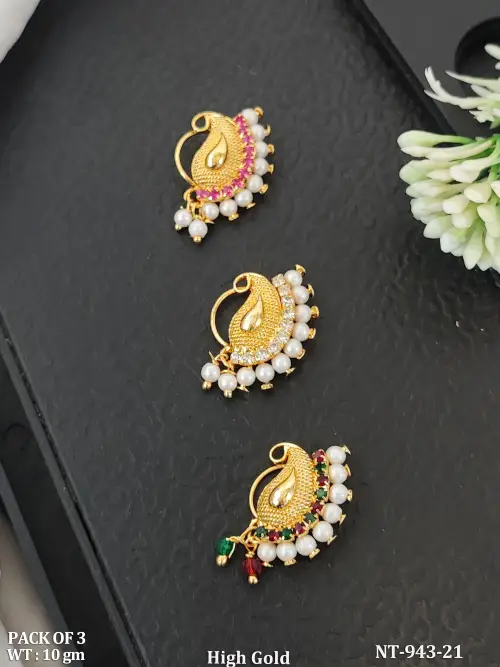
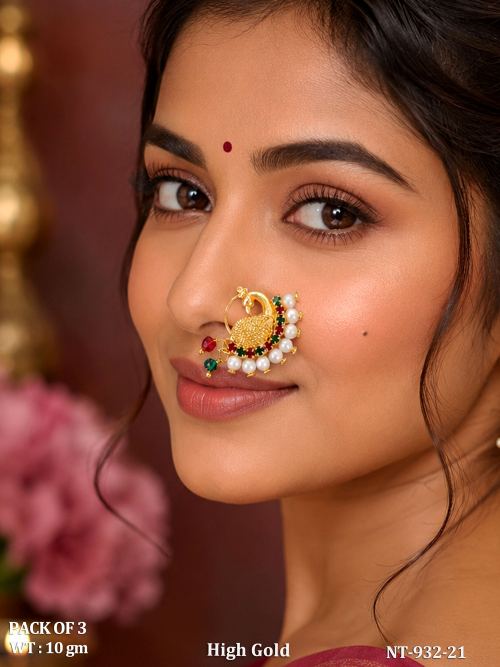
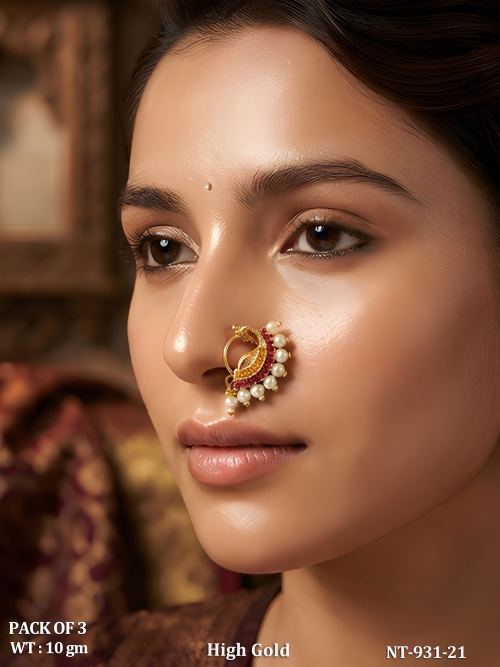
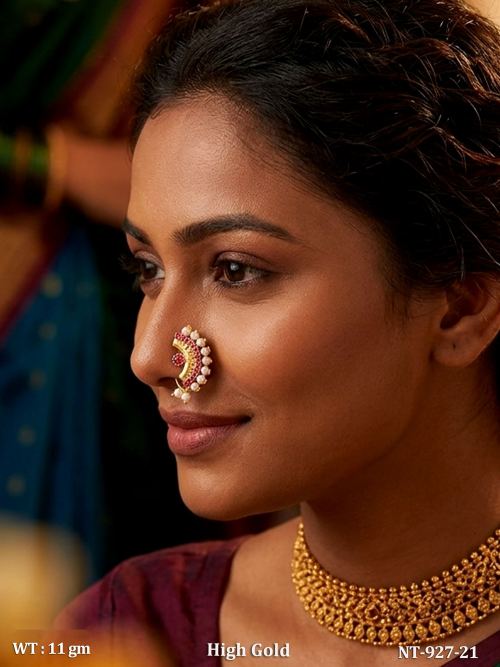
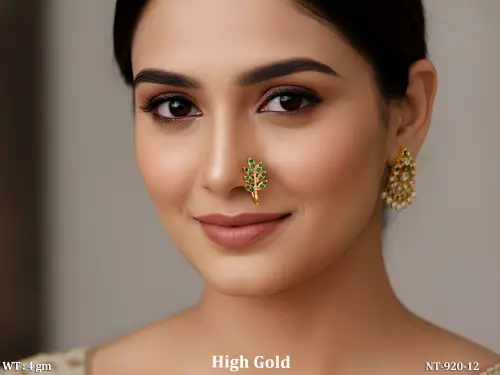
GUIDE
Maharashtrian Jewellery: Buying Guide
What is Maharashtrian jewellery?
Maharashtrian jewellery: a group of jewellery looks associated with Maharashtra, often worn with the nine-yard nauvari saree and at weddings and festivals. It is also called Marathi jewellery. Typical pieces include the nath (nose ring), the thushi (a close-fitting beaded necklace), pearl earrings and layered necklaces.
The names of individual pieces vary by region and by family, so treat any list as a general guide. The designs on this page are artificial jewellery in the Maharashtrian style, as their titles describe them. We describe the style and the finish only. We make no statement about the age, origin or ritual meaning of a design.
Which pieces can you find on this page?
This is a smaller page than most, and it is honest to say what is on it. Most listings are nose rings, followed by pearl earrings, and then a handful of necklaces. Pieces that have a name of their own in the Maharashtrian look, such as the saaj and the putali haar, have no stock listed here at the moment, so we do not describe them as if they were on offer.
| Piece | What it is | On this page |
|---|---|---|
| Nath | A nose ring, often with a pearl drop | The largest group, in single pieces and multi-piece packs |
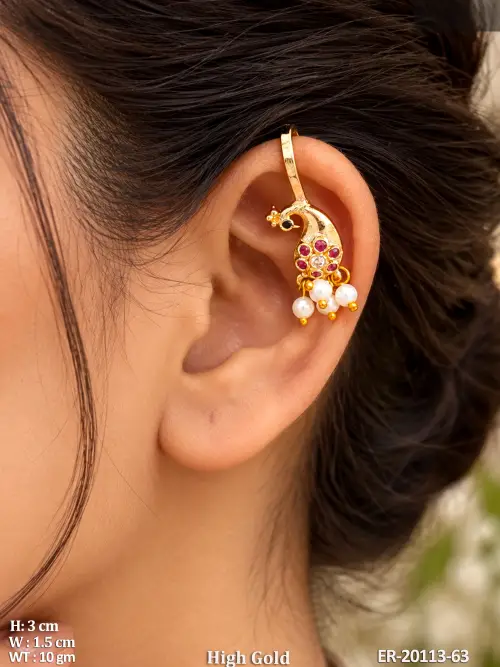
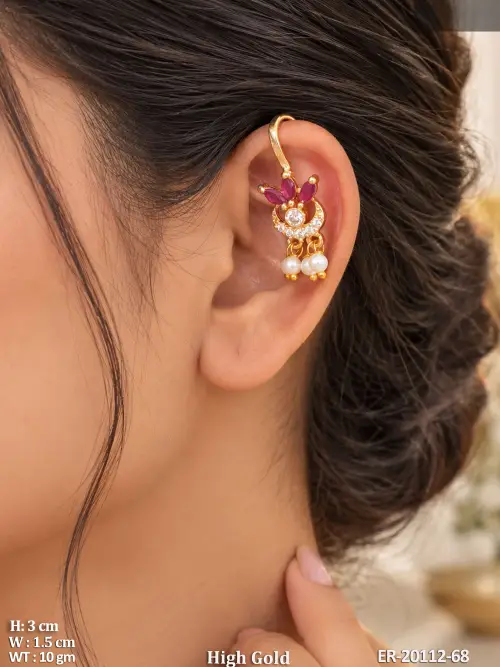
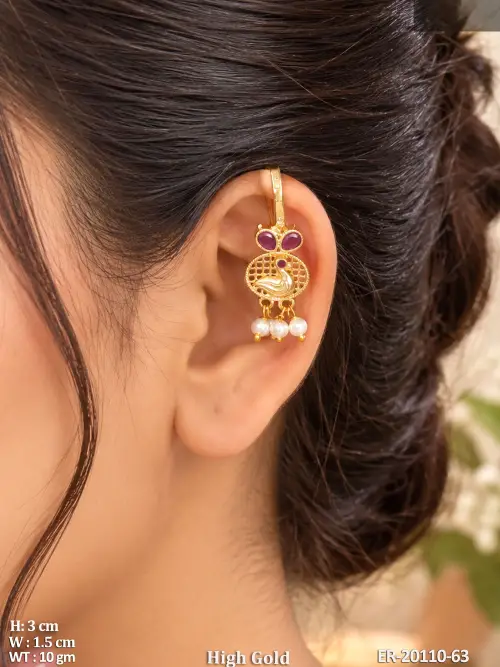
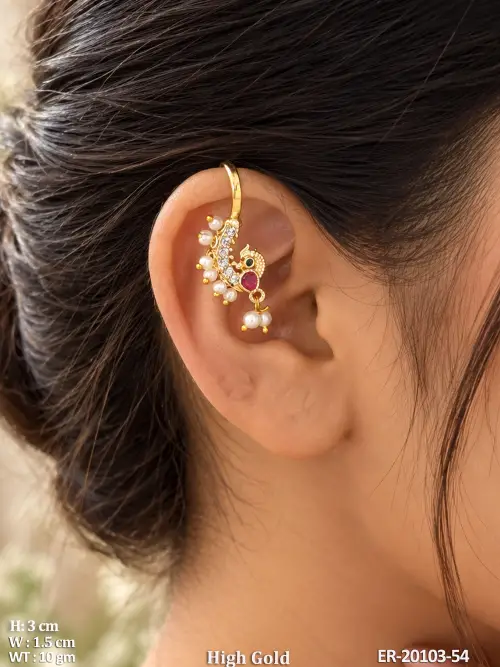
| Earrings | Pearl drops, danglers and ear climbers | The second largest group |
| Thushi-style and bead necklaces | A close-fitting or beaded necklace | A few listings, one with matching jhumka |
| Pendant sets | A pendant on a chain with earrings | One lotus design in a mangalsutra style |
How to choose a nath
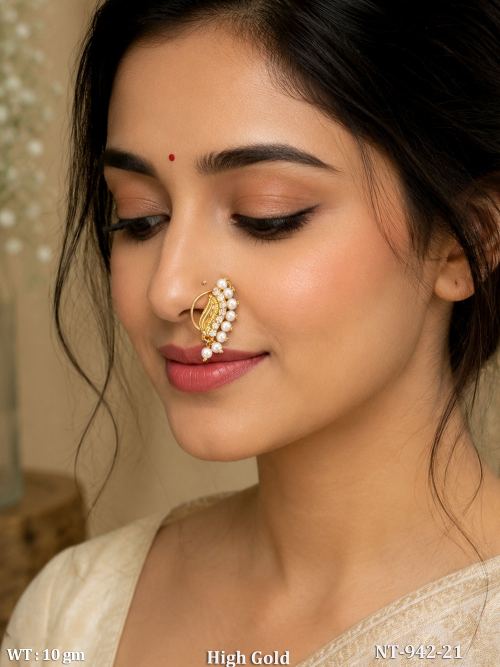
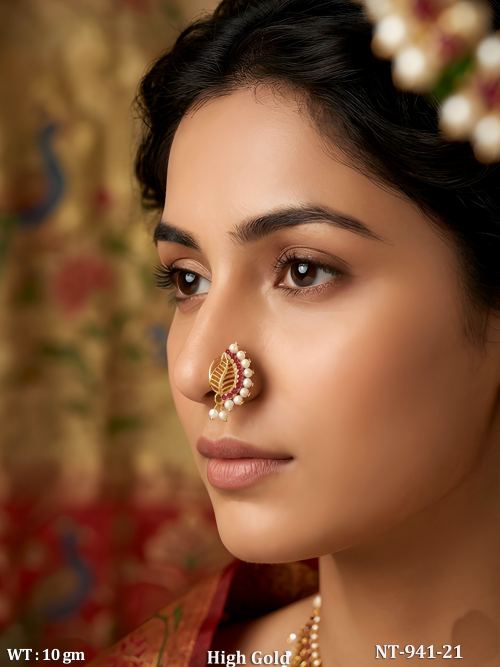
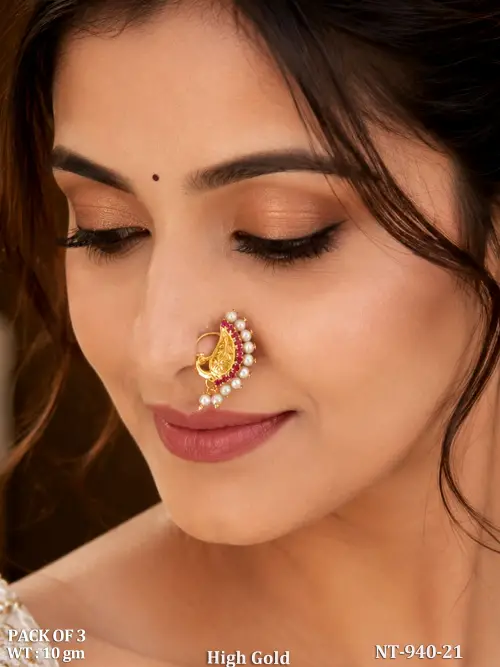
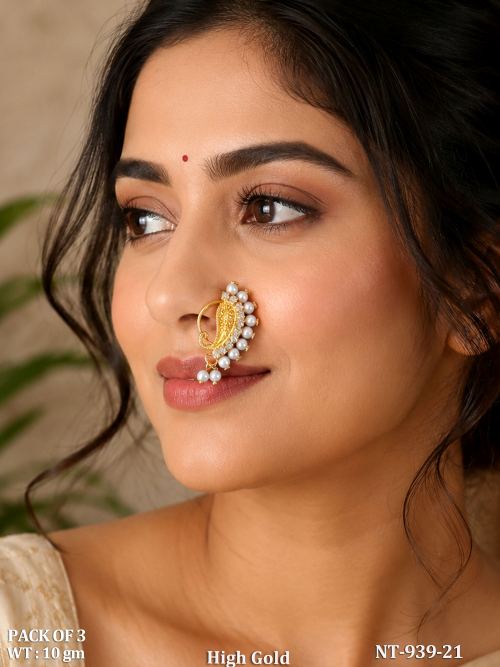
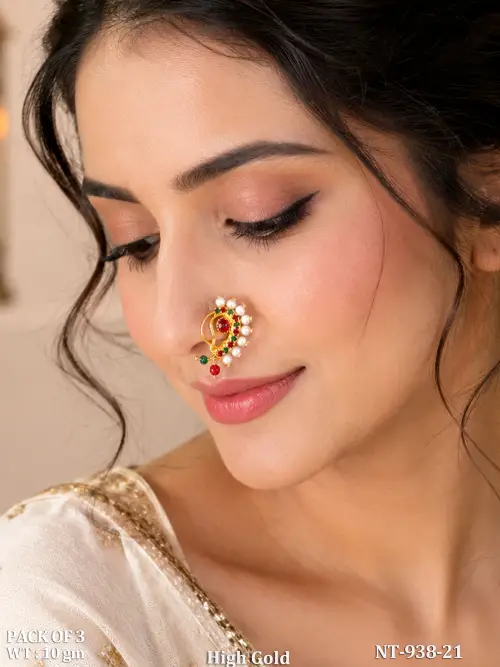
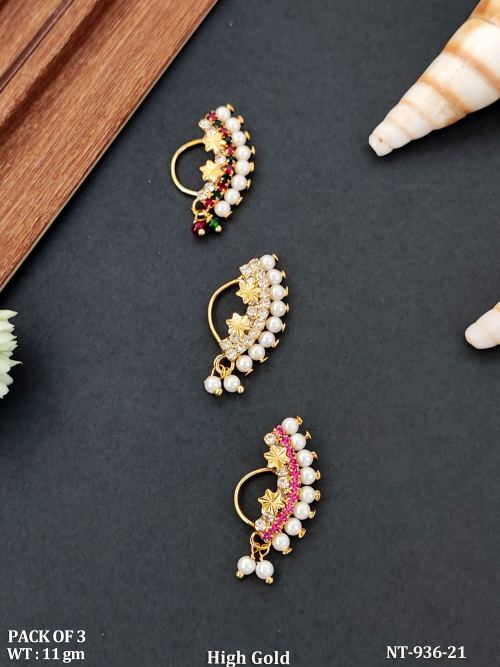
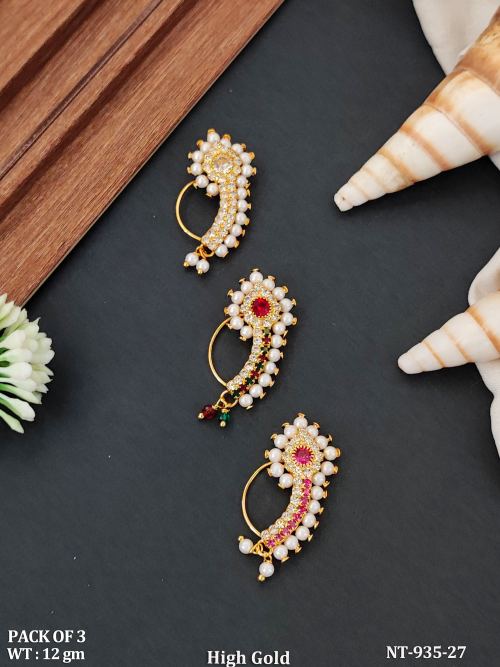
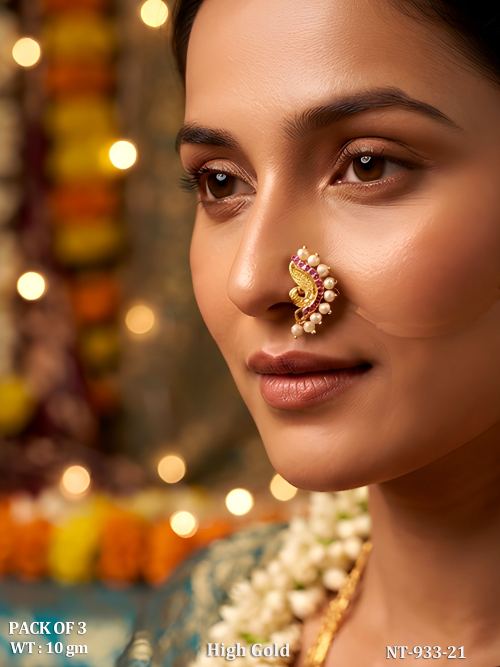
The nose ring is the centre of this page, so it is worth a closer look. Designs differ in shape, with pearl drops, leaf outlines, floral clusters and geometric stone panels, and in weight, from a delicate ring to a broad, stone-studded piece. Some listings are sold as a set of three or a combo pack, so the pack gives you several sizes or styles to try. Check the product page to see how each nath is worn and what the pack contains, and contact us with the product code if a detail is missing. You can also browse all Nath designs on the Nath page.
Choosing by face, hair and comfort
A nath changes the balance of a face, so size matters more than people expect. A small or medium design suits a narrow face or a day look, and a broad stone panel with a pearl drop suits an occasion where it is meant to be seen. Hair worn in a bun shows off the ear and the nose ring together, while open hair covers the earrings. Weight is printed on many listings, and a lighter piece is easier to wear for a long function. If you have never worn a nath, compare the photos of a few designs on the same face before choosing.
Pearl earrings and what they pair with
Pearl is the most common detail in titles, in drops, danglers, floral clusters and peacock shapes. The pearls here are artificial. Ear climbers wrap up along the ear rather than hang from it, which suits hair worn in a bun or a plait. If you wear a nath, a pair of earrings in a similar stone colour pulls the face together. If you prefer a quieter look, choose small drops and let the nose ring lead.
Wearing the look with a nauvari saree
A nauvari or other drape with a contrast border often takes a nath, pearl earrings and a short beaded necklace together, since the pieces repeat one idea of pearls and a warm tone. Keep the colours close to the border or the blouse so that no single piece fights the saree. These are suggestions for styling and nothing here is a rule about how a person should dress. If you are unsure whether a piece suits your saree, send us a photo of the border and the product code through the contact page and we will help you compare two or three options.
| Occasion | A sensible choice |
|---|---|
| Wedding guest | Pearl earrings with a nath, and a short necklace if the saree allows it |
| Festival such as Gudi Padwa | A nath with pearl drops and a simple pair of earrings |
| Photo shoot or dance | A full set with the nath, danglers and a necklace |
| Everyday traditional wear | Ear climbers or small pearl drops without the nose ring |
How is Maharashtrian jewellery different from heritage, temple and antique?
These words overlap, because shops use them for related traditional looks. A useful way to separate them is to ask what the name describes.
| Style | What the name describes | Where to browse |
|---|---|---|
| Maharashtrian | Pieces designed in the Maharashtrian look, led by the nath and pearls | This page |
| Heritage and Rajwadi | A royal, traditional mood | Heritage Jewellery |
| Temple | Designs drawn from temple sculpture, such as lotus petals | Temple Jewellery |
| Antique | An aged, low-shine surface | Antique Jewellery |
Finish and stones
Every piece on this page has the same warm, yellow-toned polish, with a few designs also carrying an antique-style surface. Stones are artificial pearls and coloured stones in ruby red, green and white, plus some multicolour designs. Peacocks, flowers and leaves are the most repeated motifs. These words describe how a surface looks in the photos and tell you nothing about the metal underneath, so judge the shade from the pictures.
How to compare designs on this page
| On the product page | What it tells you |
|---|---|
| Pearl drop, leaf or floral in the title | The shape of the nath or earring |
| Set of 3 or combo pack | That the listing holds several pieces |
| Stone colour | Ruby, green, white or multicolour, as shown in the photo |
| Weight in grams, where printed | How light or substantial the piece is |
| Product code | The reference to quote when you contact us |
Looking after pearl and stone pieces
Keep each piece dry and away from perfume and hair spray, and put it on after make-up. Wipe it with a soft dry cloth and store it in a pouch so pearls do not scratch against stones. No finish can be promised to last for ever.
More help
For neck pieces, browse necklace sets and pendant sets. If you are unsure about a design, contact us with the product code, read about OyeKudiye or check the shipping policy. Orders outside India are handled on request.
Starting a Maharashtrian jewellery look in three pieces
If this is your first Maharashtrian look, you do not need every piece at once. Three are enough: the nose ring, a pair of earrings and one necklace. Build them in that order, because each one changes what the next should be. A small, tidy group of pieces is also easier to wear all day than a full set.
Begin with the nath, since it frames the face and sets the scale. A fuller nath with a pearl drop asks for simple earrings. A slim one leaves room for earrings with a little hanging length. Once those two agree, choose the necklace last, and keep it close to the neck so it does not hide the nath or the earrings.
Stone colour is the easy way to tie the three together. Red and green stones, or white pearl, repeat well across all three pieces. Every piece here is artificial jewellery, which makes it simple to add a bangle or a second necklace later, once you know what you reach for most.
For the full range, see Nath, or browse Earrings for more pairs.
Frequently asked questions
What is Maharashtrian jewellery?
Maharashtrian jewellery is a group of jewellery looks associated with Maharashtra, often worn with a nauvari saree, such as the nath, thushi and pearl earrings. It is also called Marathi jewellery. The pieces here are artificial jewellery made in India on a metal alloy base, with artificial pearls and stones.
Is Marathi jewellery the same as Maharashtrian jewellery?
In shopping, yes. Marathi jewellery and Maharashtrian jewellery name the same family of looks, and people use both words in searches. The designs on this page appear under either name, so you do not need to search twice, and the filters narrow it further.
What is a nath?
A nath is a nose ring, usually larger and more decorative than a daily stud, and often has a pearl drop or a stone-studded panel. Check the product page to see how each nath on this page is worn, and contact us with the product code if you need detail.
What is a thushi?
A thushi is a close-fitting necklace of closely strung beads, described by shoppers as a choker-style piece. This page has a thushi-style necklace set with jhumka, and the product photos show how it sits at the neck. Naming varies, so we describe each piece by its look.
What does a Maharashtrian jewellery set include?
It depends on the listing. Here a set may be a pack of nose rings, a necklace with matching jhumka or a pendant with earrings. Open the product page to see exactly what comes in each one, and use the photos to compare size and stone colour.
Which jewellery goes with a nauvari saree?
A nath, pearl earrings and a short beaded necklace are a common combination, since they repeat one idea of pearls and a warm tone. Keep the stone colours close to the border or blouse. This is styling advice only and not a rule.
Is Maharashtrian jewellery suitable for a wedding?
Many people wear nath and pearl earrings to weddings as a guest or for functions. We describe the style only and make no claim about ritual or bridal use, so choose the pieces that suit the outfit and the occasion.
What can I wear for Gudi Padwa?
A nath with pearl drops and a simple pair of earrings is a popular choice for festivals such as Gudi Padwa, along with a traditional saree. Pick a stone colour that echoes the saree border. We offer styling suggestions only.
What are the pearls and stones made of?
The pearls and stones on this page are artificial, and they are set in a metal alloy base. They are chosen for the look of the style rather than as a precious material, so judge the colour and the size of the beads from the product photos before you choose.
Do you have a saaj or putali haar?
Not at the moment. These pieces have names of their own in the Maharashtrian look, and we do not list stock under them yet. You can browse the necklace sets and pendant sets linked in this guide for neck pieces, and contact us if you are looking for a specific design.
How do I choose between a single nath and a pack?
A single piece suits one occasion. A set of three or a combo pack gives you several shapes or sizes to try, which helps if you are not sure what suits your face. Compare the photos and read the pack description on the product page before choosing.
What are ear climbers?
Ear climbers are earrings that curve up along the ear rather than hanging below it. Two ear climbers with pearls appear on this page. They suit hair worn up or in a plait and pair well with a nath. Check the photo for how far the piece travels up the ear.
What finish do these pieces have?
All pieces on this page share a warm, yellow-toned polish, and a few designs add an antique-style surface. The finish name describes the colour of the metal base and says nothing about the metal itself, so judge the shade from the product photos.
How do I clean and store pearl jewellery?
Keep it dry, away from perfume and hair spray, and wipe it with a soft dry cloth after wearing. Store each piece in a pouch so pearls do not rub against stones. No finish can be promised to last for ever, so gentle handling matters.
How do I get help with a design?
Open the product page for photos and details, or contact us with the product code printed on the photo and we will help you compare designs, finishes and stone colours. International orders are handled on request through the contact page.