BEST
No recent searches
Start typing to search the collection.
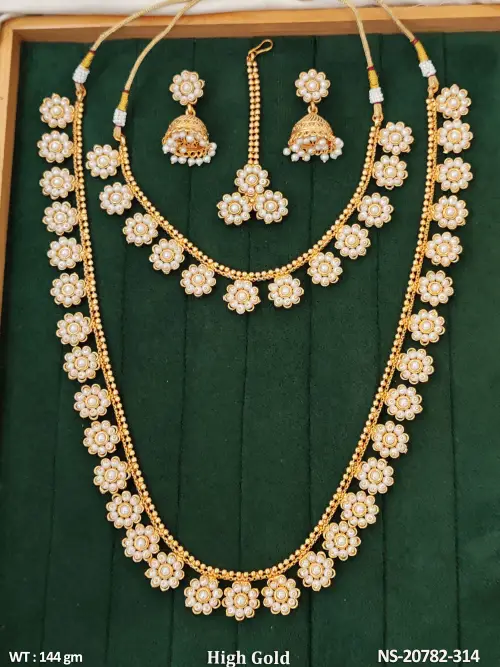
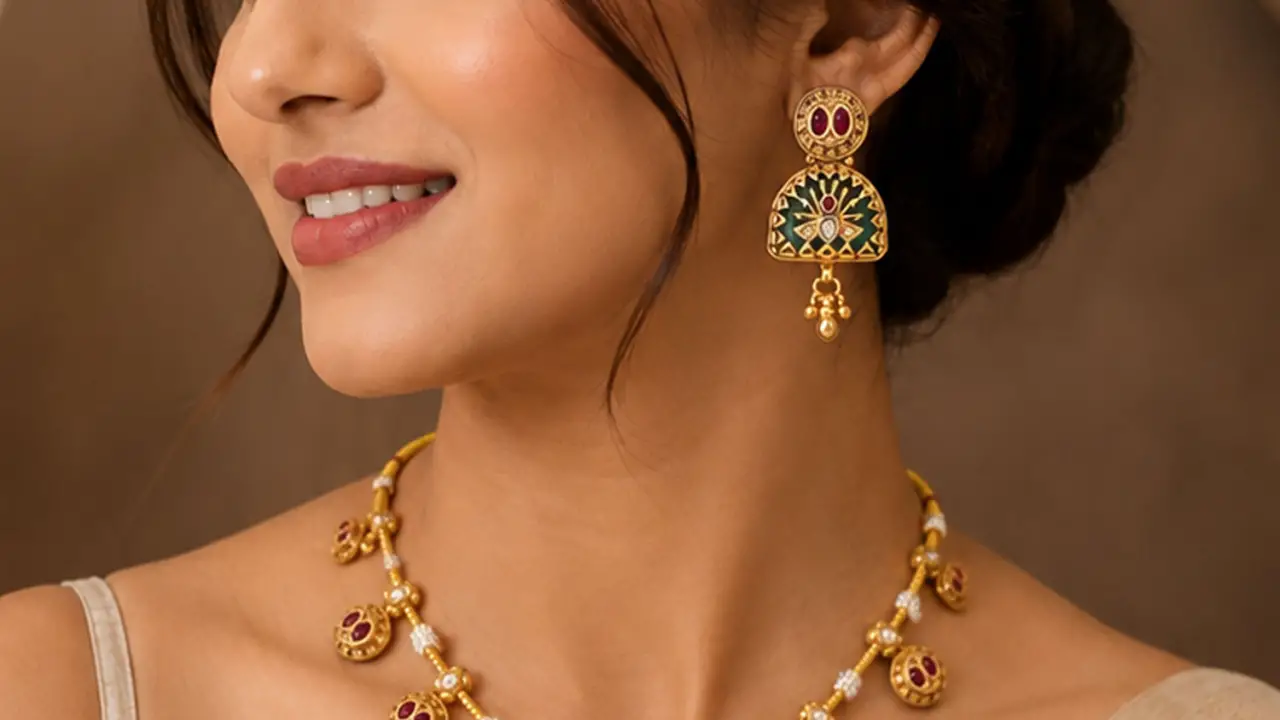
This page lists antique jewellery for women, the widest range on the site. An antique jewellery set here is a necklace with earrings in a warm, low-shine antique finish, and the same finish runs through bangles, nath, payal, maang tikka, kamarpatta, bracelets, kada, rings and hair pieces. Antique names a look and a surface, never the age of a piece. Every item is artificial jewellery made in India on a metal alloy base with artificial stones and faux pearls. The guide below shows which type to open, how the finishes differ and what suits a wedding.
 Maang Tikka
 Necklace
 Earrings
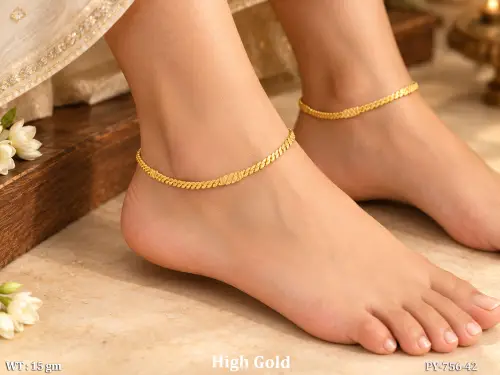 Payal
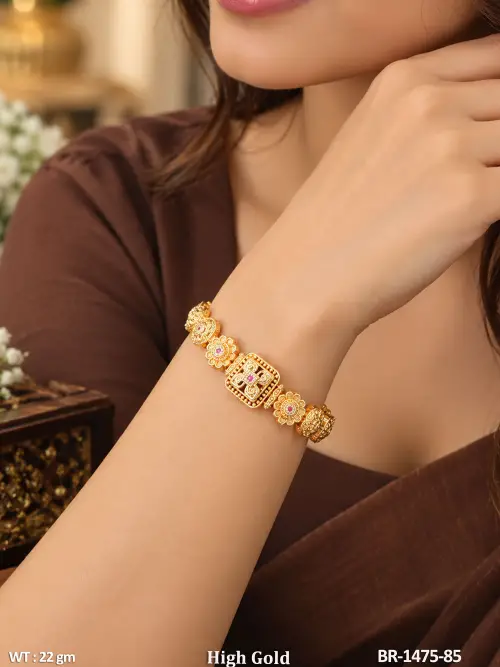 Bracelets
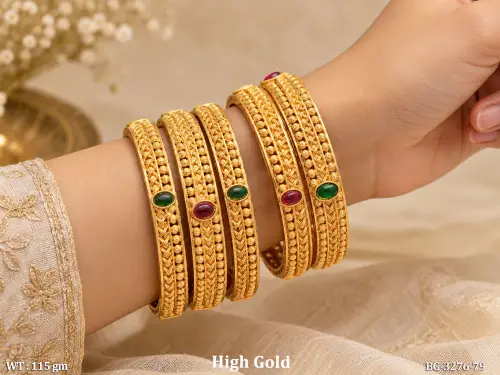 Bangles
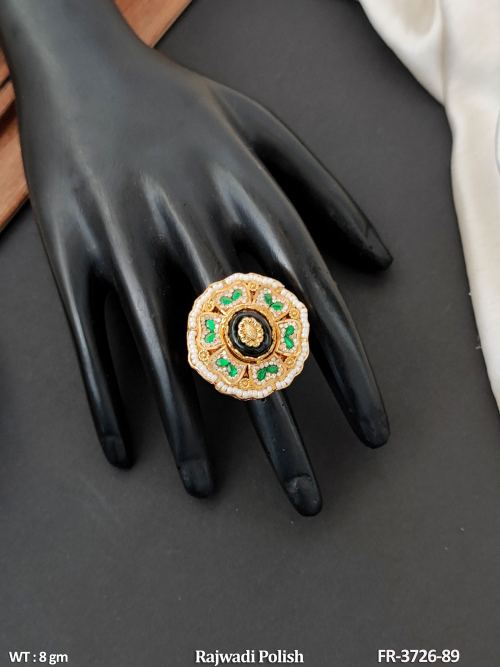 Finger Rings
Nath
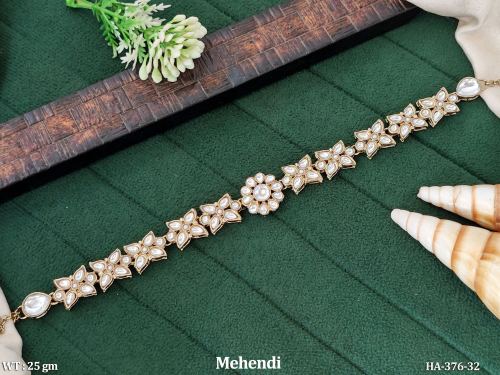 Hair Accessories
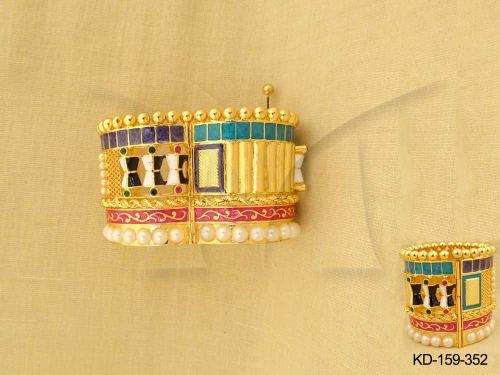 Kada
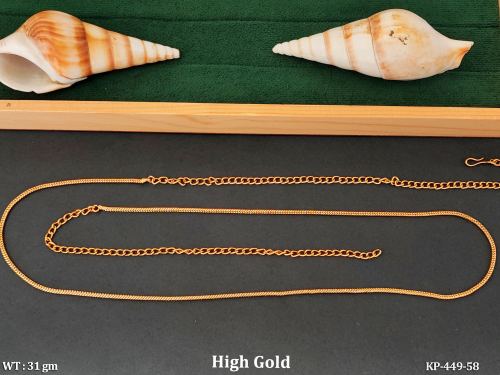 Kamar Patta
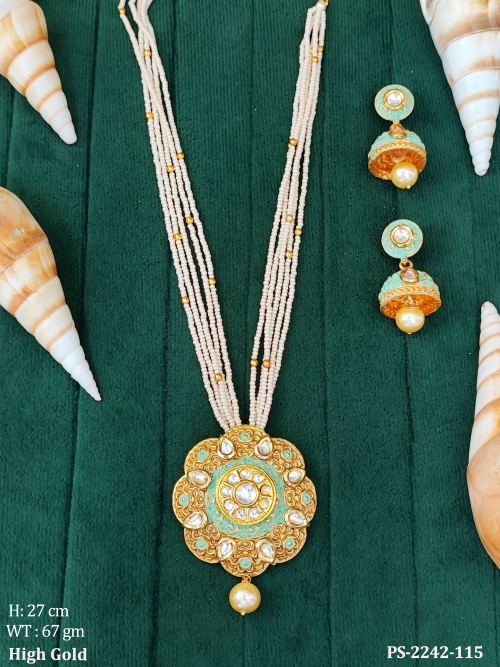 Pendant Sets
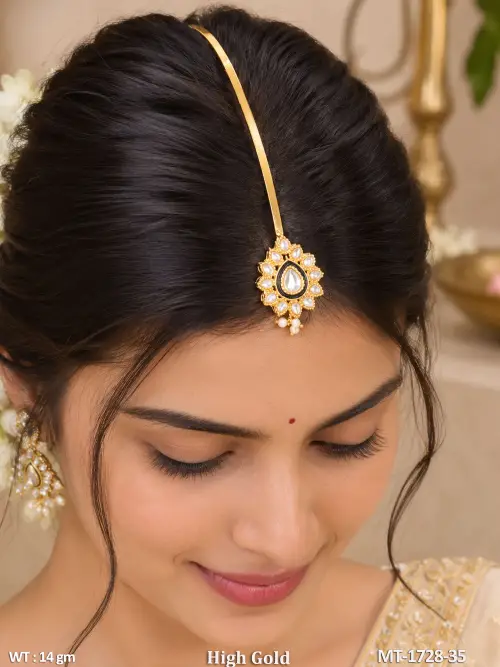
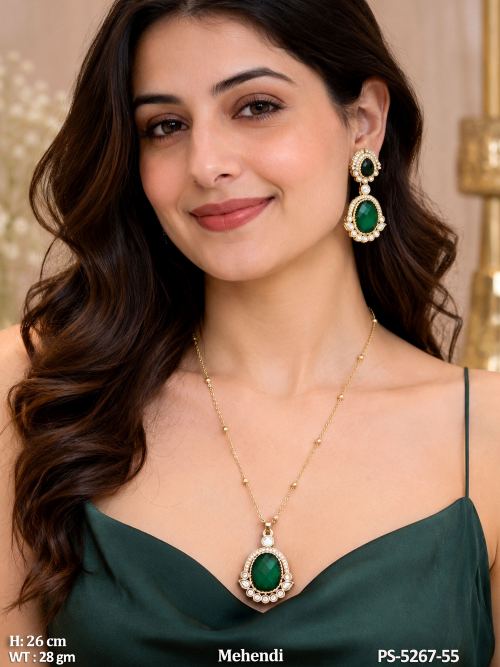
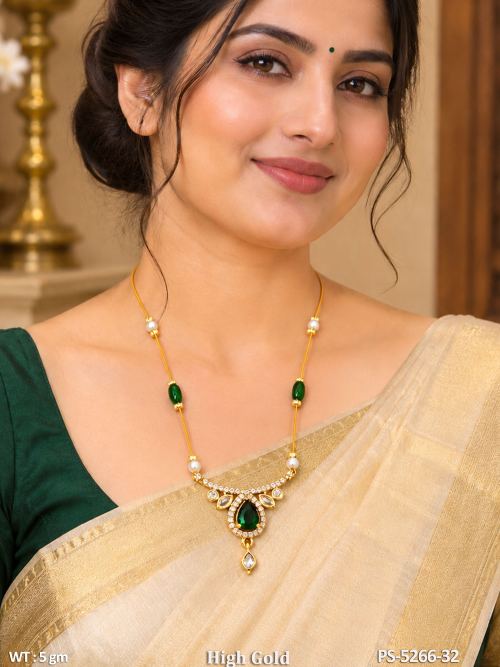
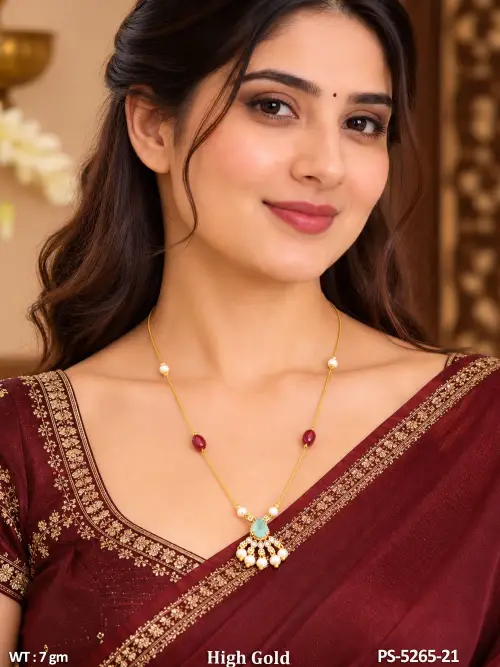
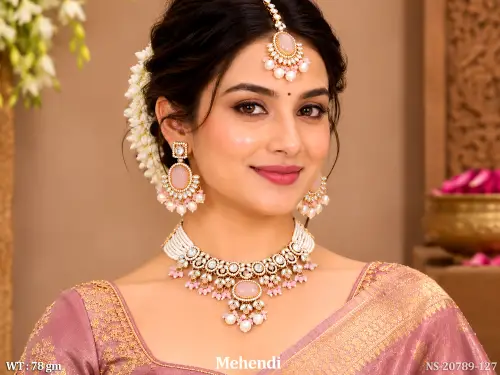
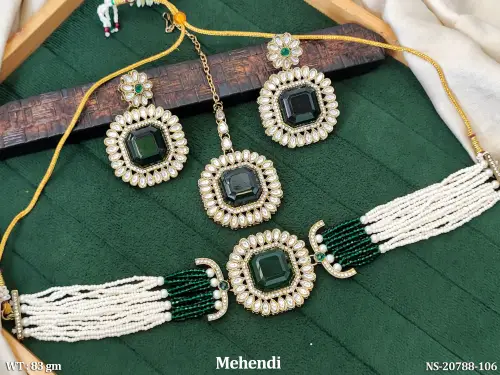
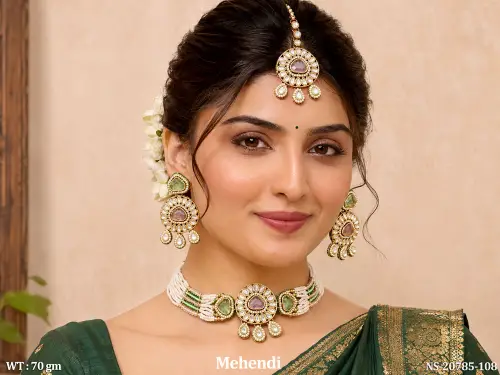
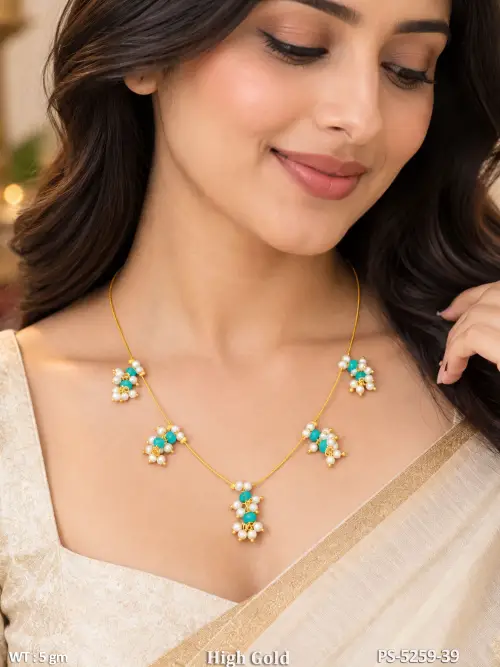
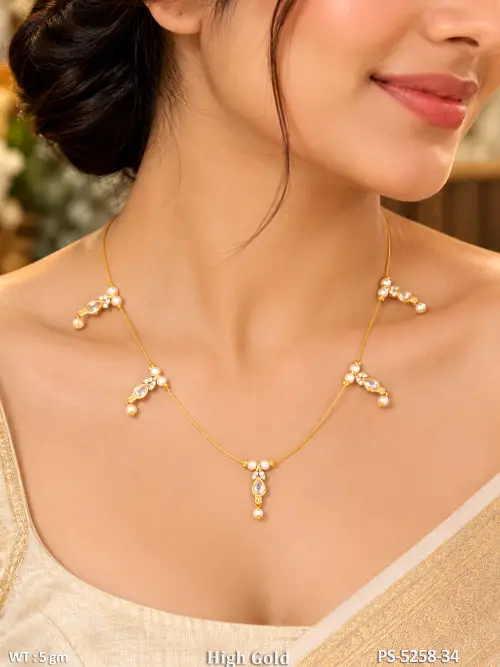
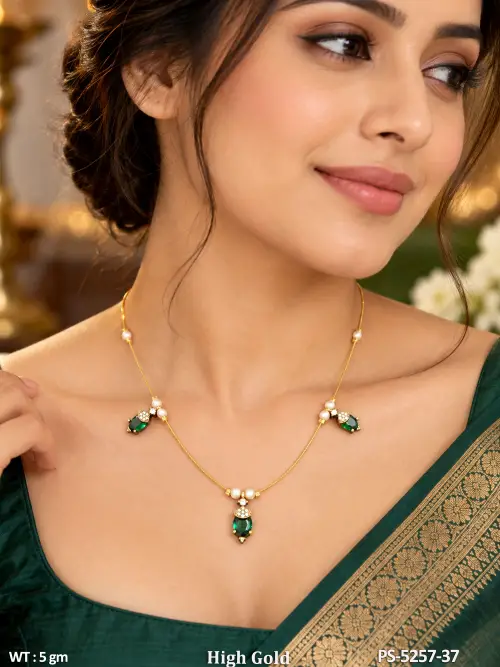
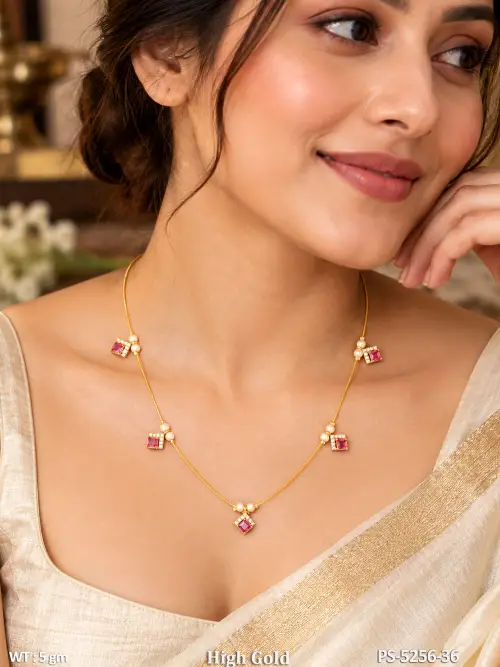
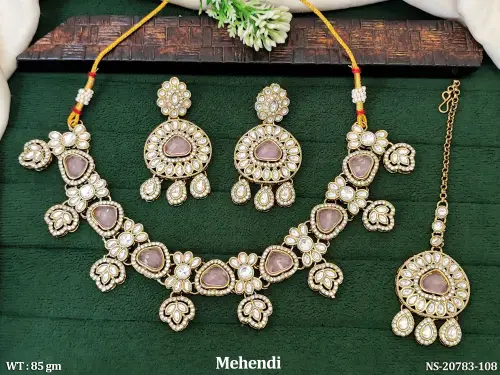
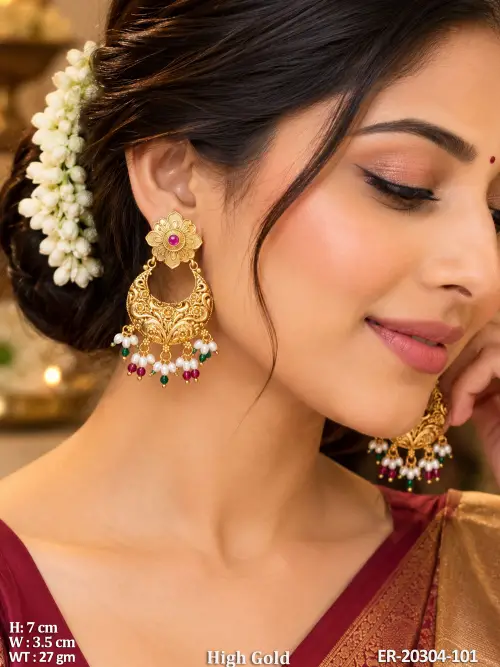
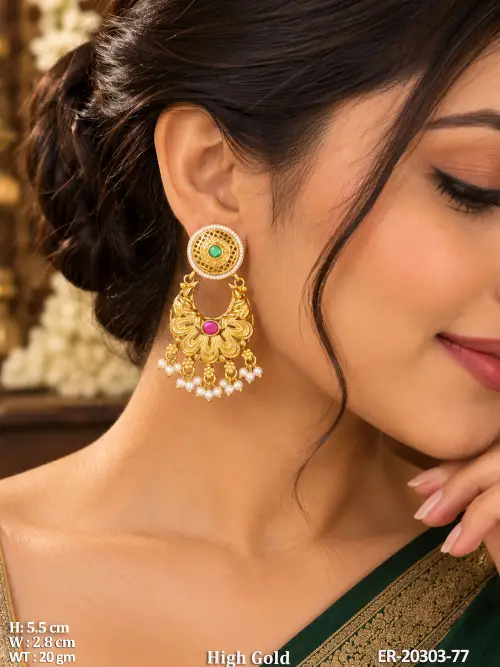
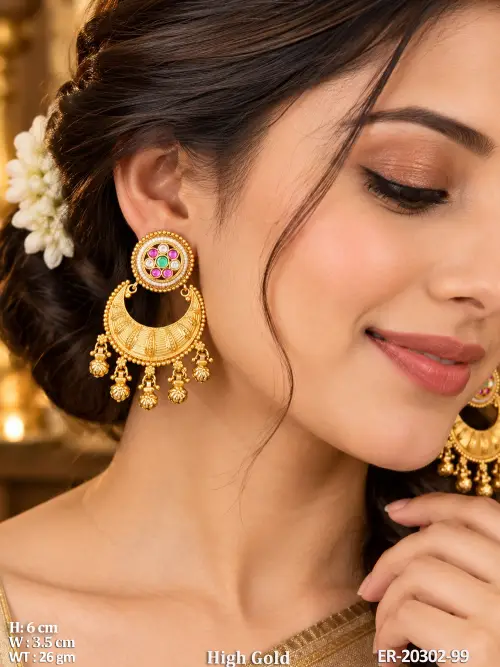
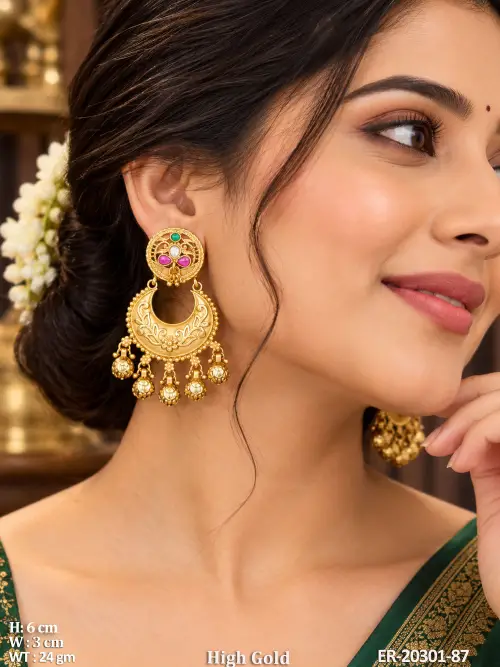
For a green lehenga, wear gold-tone with a warm contrast such as pink or ruby. For blue, choose white-toned stones, pearls and an emerald touch. For…
Antique finish: a deliberately aged-looking surface with warm, low shine and darker recesses, so patterns look carved and dimensional.
Everything on this page is new and artificial. The word antique describes the finish and the traditional styling, and does not describe how old a piece is, where it came from or what it is made of. The base is a metal alloy, the stones are artificial and the pearls are faux. If you search for old or second-hand jewellery, this is not that page.
Because this is the biggest page on the site, the quickest route is by type. Each row links to a page that holds only that type in the antique finish.
| Type | What to expect | Open |
|---|---|---|
| Bangles | Sets of two, four or six, plain bands to stone-set designs | Antique Bangles |
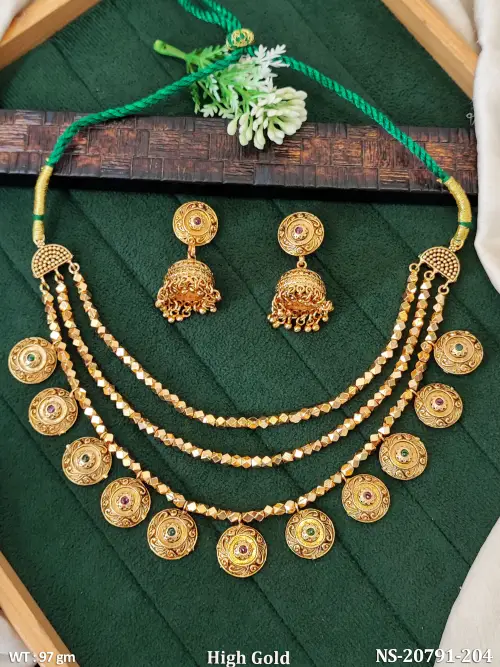
| Necklace sets | Short, medium and long sets with earrings | Antique Necklace |
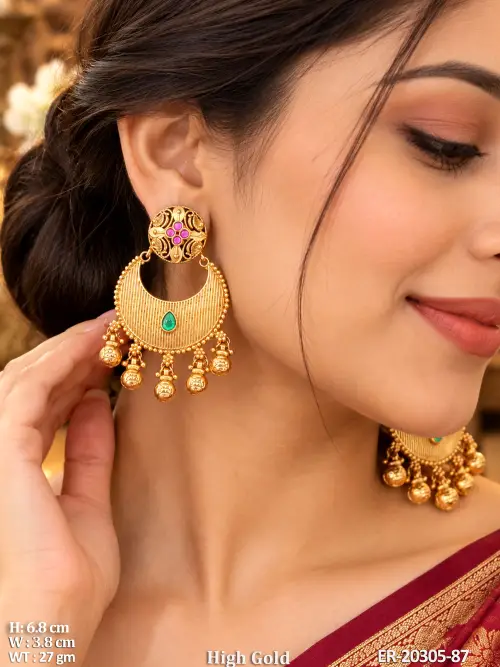
| Earrings | Jhumka, studs and long drops with pearls | Antique Earrings |
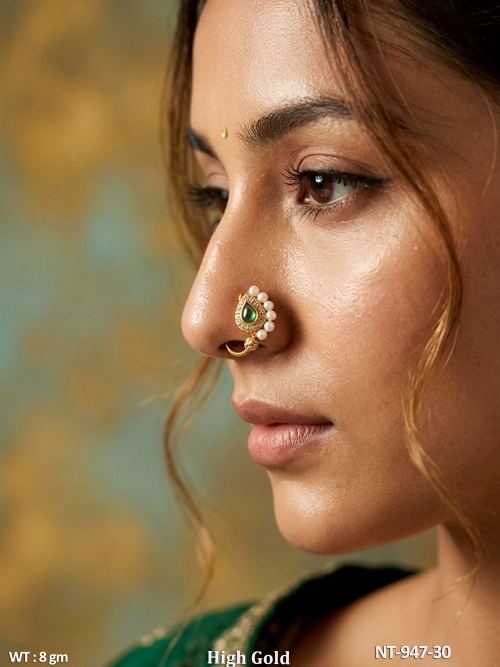
| Nath | Bridal and festive nose pieces | Antique Nath |
| Payal | Anklets, some with small bells | Antique Payal |
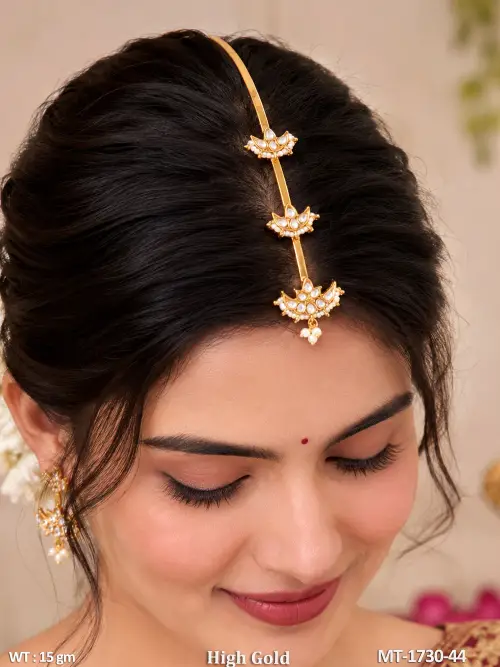
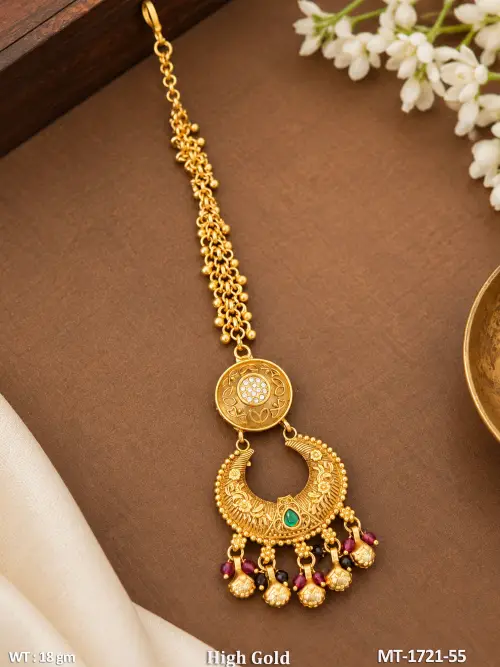
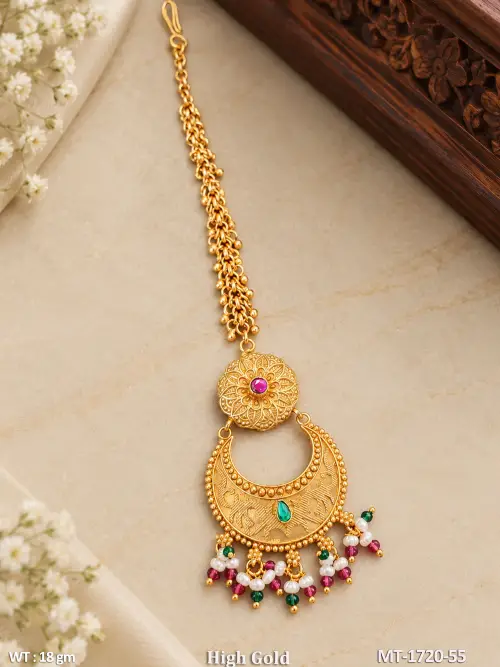
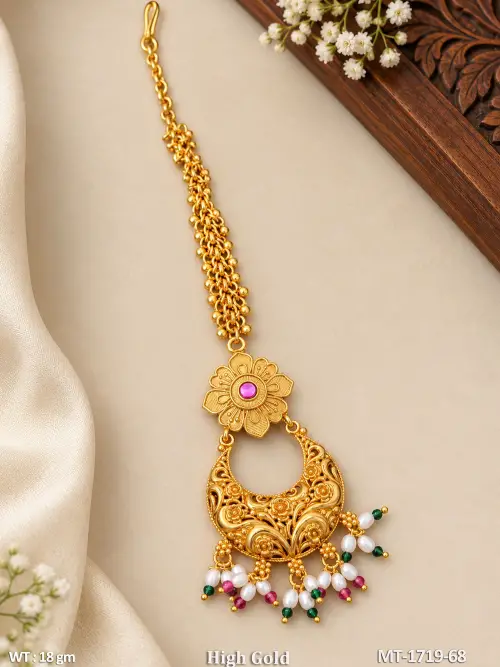
| Maang tikka | Forehead pieces, some with matching earrings | Antique Maang Tikka |
| Kamarpatta | Waist belts for sarees and lehengas | Antique Kamar Patta |
| Bracelets and kada | Lighter wrist pieces and thick single bangles | Antique Bracelets and Antique Kada |
| Pendant sets | A pendant with chain and earrings | Antique Pendant Sets and Antique Designer Pendant Sets |
| Rings and hair pieces | Bold rings, juda pins and hair accessories | Antique Finger Rings and Antique Hair Accessories |
An antique jewellery set usually pairs a necklace with earrings. Because the whole range shares one finish, you can add a tikka, bangles and a payal from different listings and the surface will still match. Start with the necklace, then choose the earrings for balance. A heavy necklace looks good with medium earrings, and a slim chain can carry a long jhumka. Add bangles in the same finish last. Compare the printed weight where it is given, as antique sets range from light to substantial.
The warm tone of the finish sits well with silk, brocade and rich embroidery, which is why antique pieces are a common choice for wedding functions. A bride often wants a fuller set with a nath, maang tikka, kamarpatta and bangles. A guest usually needs only a necklace set or a statement pair of earrings. We describe the style and make no claim about ritual use. If you want the look in one go, check whether a listing says set contents in the title.
| Who is wearing it | A sensible combination |
|---|---|
| Bride | Necklace set, maang tikka, nath, bangles, kamarpatta |
| Bridesmaid or sister | Necklace set with jhumka and a pair of bangles |
| Guest in a saree | A medium necklace set with earrings |
| Guest in a lehenga | Statement earrings and a tikka |
| Festival at home | A pendant set and bangles |
Peacocks, flowers, leaves, paisleys and rows of pearls are the favourite motifs, and many designs combine stones with pearl drops. Temple-style pieces carry deity figures and lotus petals. Some listings use a mirror, tassel or beaded detail. Most designs are described in the title, so read it with the photo. A plain, clean design suits daily ethnic wear, while a layered design with several pearl rows suits a function.
Several words describe the surface colour on this page. They are finish names, and none of them tells you what the metal underneath is.
| You will see | What it describes |
|---|---|
| Antique polish | A warm, aged-looking tone with low shine |
| Rajwadi polish | A richer, royal-looking tone; see also heritage jewellery |
| Mehendi finish | A distinct darker shade; judge it from the photo |
| Matte finish | A soft, flat, low-shine surface |
| High polish | A brighter surface that catches more light |
These words overlap, and a single piece can match two of them. Antique and oxidised are both surfaces, with antique warmer and oxidised darker and more blackened. Temple names a design source, kemp names red and green stones, and kundan names a stone setting. A kemp necklace can have an antique finish, and a kundan set can too.
| Style | What the name describes | Where to browse |
|---|---|---|
| Antique | A warm, aged-looking surface | This page |
| Oxidised | A darker, blackened surface | Oxidised jewellery |
| Temple | Designs drawn from temple sculpture | Temple jewellery |
| Kemp | Red and green stones | Kemp jewellery |
| Kundan | Stones set close together | Kundan jewellery |
Not every antique piece is a wedding piece. Slim pendant sets, small jhumka, a pair of bangles or a single payal go well with cotton sarees, kurtas and festival outfits. For daily wear, choose lighter weights and a matte or antique polish, and avoid layering more than two statement pieces. A plain outfit with one necklace in this finish and matching studs reads polished without being heavy.
For bangles and kada, look at the size options on the product page and compare with a bangle that fits your hand well. For necklaces, a short set sits at the base of the neck, a medium set rests on the collarbone and a long one falls to the chest. Payal and kamarpatta listings show length or an adjustable fit in the photo and title, so read both. Nath and ring listings are explained on each product page, and you can contact us with the product code if you need detail.
Use the filters above the products to narrow by type and colour, and sort by price. Then read the photo and the title together.
| On the product page | What it tells you |
|---|---|
| Antique, Rajwadi or matte in the title | The surface finish |
| Pearl, peacock or floral | The main motif or extra detail |
| Set of 2, 4 or 6 | How many bangles arrive together |
| Weight in grams, where printed | How light or substantial the piece is |
| Product code on the photo | The reference to quote when you contact us |
Kamarpatta, also written kamar patta, is a waist belt. A haram is a long necklace, a choker sits close to the neck, and a nath is a nose ornament. Juda pins decorate a bun, and a dulhan set is a larger, complete set sold for a bride. Use these words on the site search, or filter by type, to find the piece you want quickly.
Keep each piece dry and away from perfume, hair spray and water, and put it on after you dress. Wipe with a soft dry cloth and use a soft brush around the stones. Store pieces in a pouch or lined box so pearls and stones do not rub against other jewellery. No finish can be promised to stay the same forever.
For the main type hubs, see necklace sets, earrings, bangles, nath, maang tikka and payal. Questions about a design? Contact us with the product code, read about OyeKudiye or check the shipping policy. Orders outside India are handled on request.
You can mix finishes, but let one of them lead. Antique finish is warm and low in shine, so it sits calmly beside anything with a similar warmth and gets lost next to a very bright piece.
Say you are wearing an antique jewellery set, a necklace with matching earrings, and you want bangles as well. Choose bangles with the same warm, aged surface, or keep to one plain pair. If you add bright cut-stone pieces on top of that, the eye splits between two looks and neither one wins.
A quick test helps. Stand an arm's length from a mirror and notice what you look at first. If it is one piece, the rest are doing their job as support. If your eye keeps jumping between two, take one off.
Stone colour matters as much as finish. Red or green stones tie different pieces together even when the shapes are different, which is why a mixed outfit often works when the colours agree. To build the look from the centre outward, begin with an Antique Necklace and add the rest around it.
On this page antique jewellery means artificial jewellery with an antique finish, a warm, aged-looking surface with low shine. It does not mean old or second-hand jewellery. Every piece is new, made in India on a metal alloy base with artificial stones.
No. Antique here names a look and not an age. The pieces are new, and the finish is applied to the surface to give an aged appearance. We do not state the age, origin or value of any piece, so judge the design from the photos.
It usually means a necklace with matching earrings in the same antique finish. Some listings add a maang tikka or bangles. Read the title and photos to see exactly what is included before you add another piece to your order.
A necklace set, maang tikka, bangles and a nath give a complete wedding look, and a guest can wear just a necklace set with earrings. The warm finish suits silk and brocade. Keep one finish across the pieces for a matched look.
Both are finish names. Antique polish is a warm, aged-looking tone with low shine, and Rajwadi polish is richer and more royal-looking. The names describe the surface in the photos and do not describe the metal, which is an alloy in every case here.
Both are surface finishes. Antique is warmer and has an aged tone, while oxidised is darker and more blackened. Browse oxidised jewellery for the darker look, and compare the photos side by side in daylight to see which tone suits your outfit and skin tone better.
Yes. The warm finish suits silk and brocade sarees and rich lehengas. With heavy embroidery, choose a lighter set or statement earrings only. With a simple saree, a fuller necklace set carries the look on its own, so you can skip extra pieces.
Yes. The range includes bangles in sets of two, four or six, nath, payal, maang tikka, kamarpatta, bracelets, kada, rings and hair pieces in the antique finish. Use the table near the top of this guide to open each type page directly.
Measure a bangle that fits your hand well and compare it with the size options on the product page. A bangle should pass over the widest part of the hand without forcing. Contact us with the product code if you are unsure.
Yes. Many antique pieces carry faux pearls, and temple-style designs with deity figures and lotus petals appear as well. Open temple jewellery for the full range of that style, and read the title for the main motif of each antique piece.
It depends on the design. A broad necklace set feels heavier than a slim pendant set. The product page prints the weight on many listings, so compare that number, and choose a lighter piece if you will wear it for many hours.
A kamarpatta is a waist belt worn over a saree or lehenga. The kamarpatta pieces in this finish have stone and pearl work. Check the length and any fit note in the product photos and title before you choose one, and contact us with the product code for detail.
Keep it dry and away from perfume and water, wipe with a soft dry cloth and brush gently around the stones. Store each piece in a pouch or lined box so pearls and stones do not scratch. No finish can be promised to last forever.
Open the product page for photos and details, or contact us with the product code printed on the photo, and we will help you compare designs, finishes and sizes before you choose. International orders are handled on request through the contact page.
SIGN IN OR JOIN
Enter your mobile number or email. We will send a one-time code, no password needed.
You will be asked to accept our Terms and Privacy Policy when you create an account.
VERIFY
We sent a 6-digit code to .
ONE MORE STEP