SHOP
Payal for Women
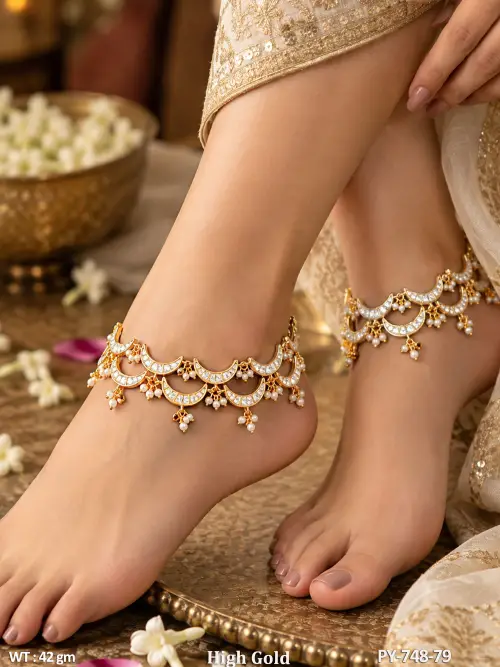
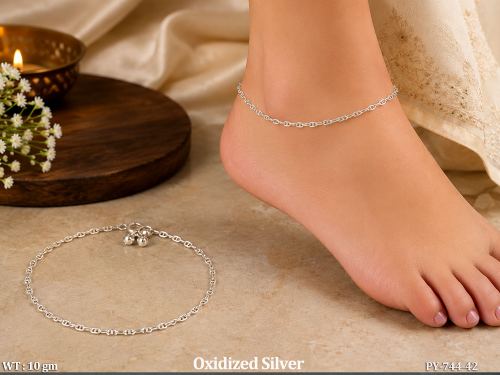
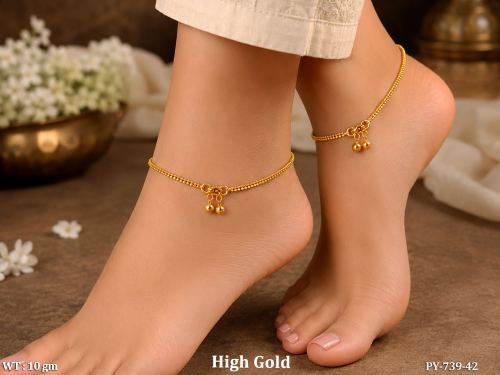
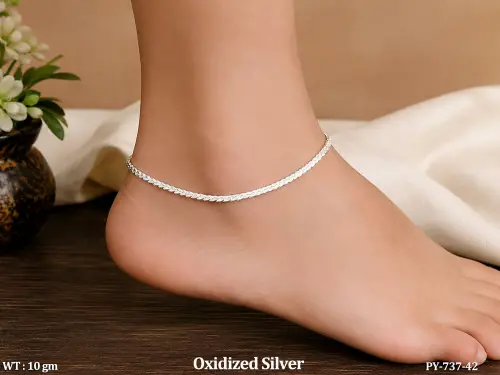
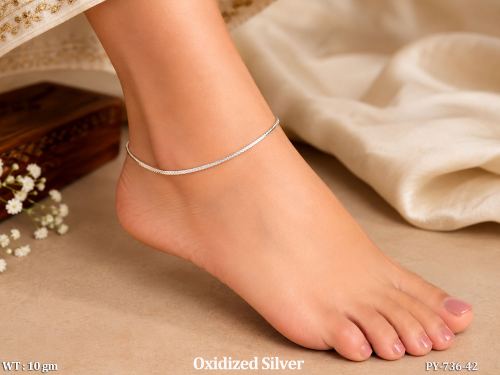
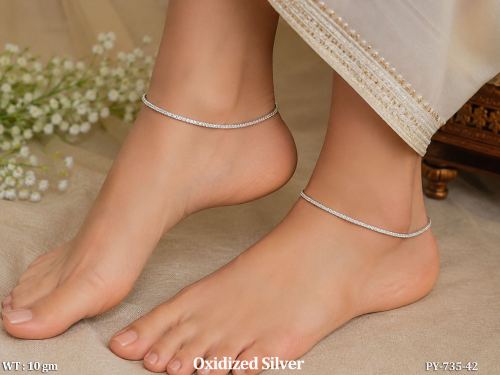
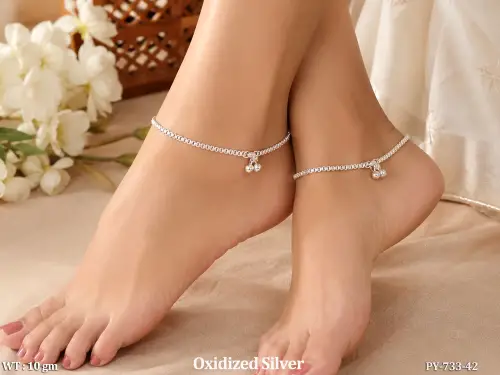
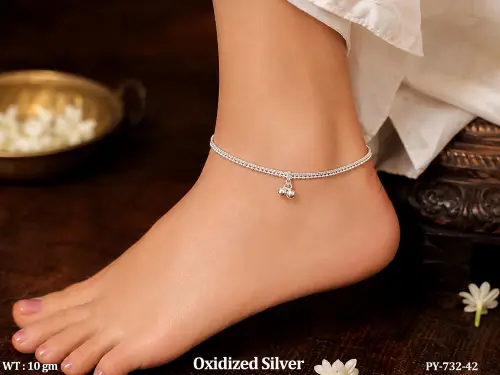
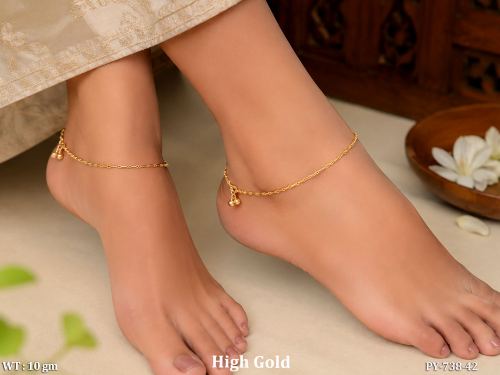
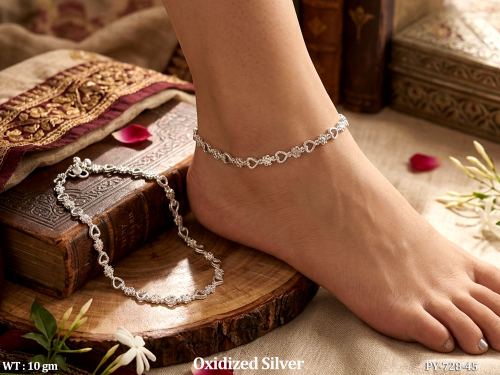
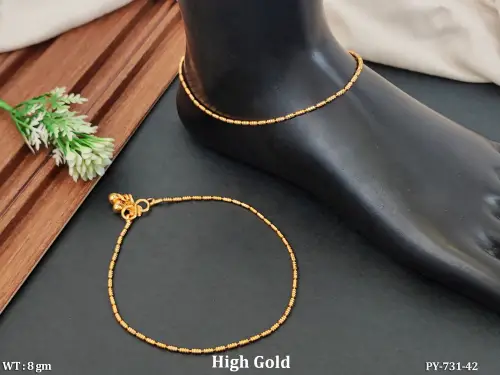
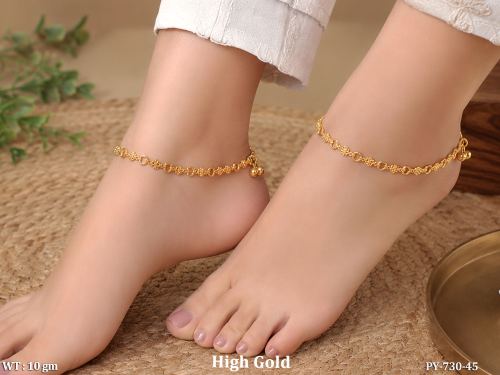
Shop payal for women, also called anklets, in antique, oxidised-finish, beaded, pearl and ghungroo styles. Some are slim chains for everyday wear and others are stone-set pieces for weddings and festivals. Every design here is artificial jewellery. Many are sold singly and some as sets, so the product page shows the finish and what is in the pack. Looking for one look? Try antique payal or browse oxidised jewellery for the darker, earthy finish.
Payal designs

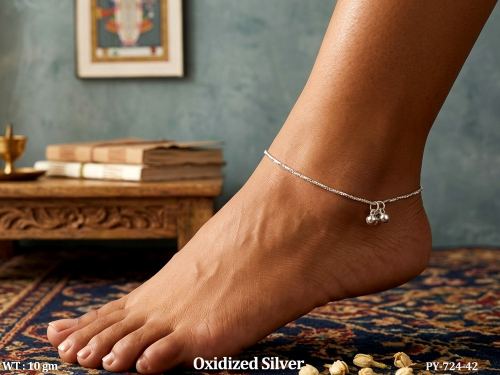

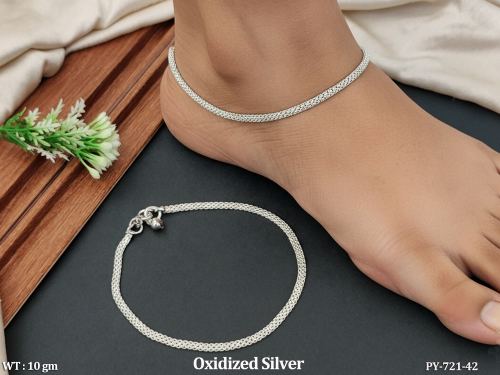
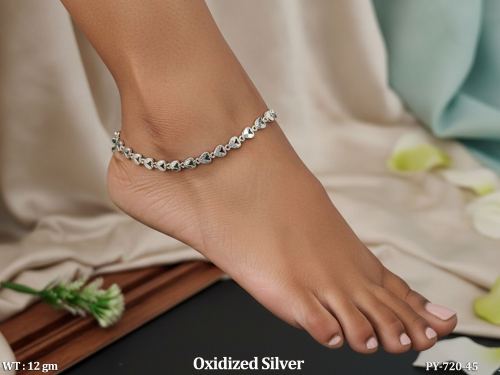
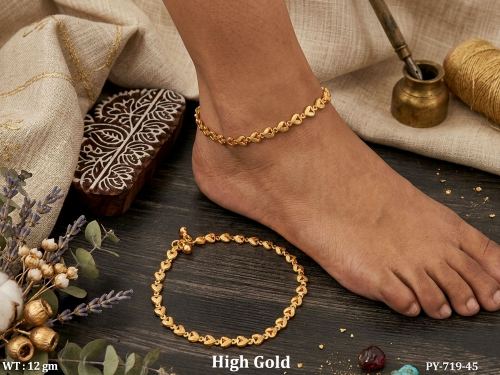
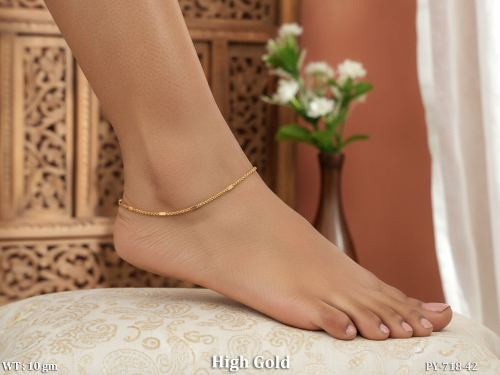
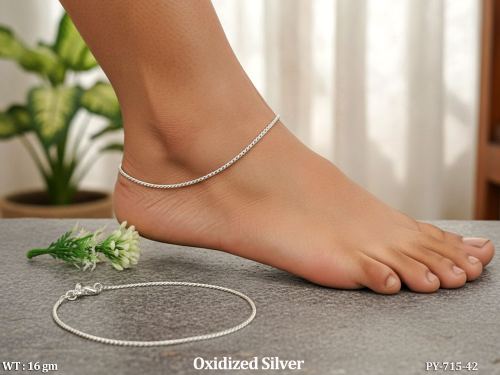

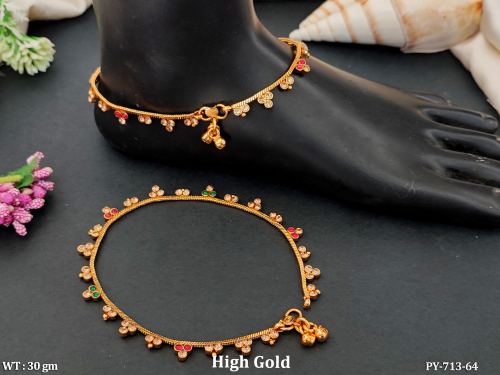
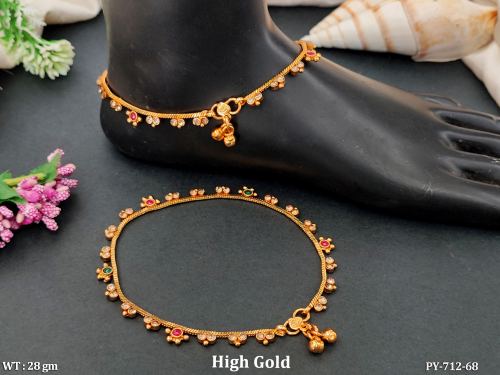
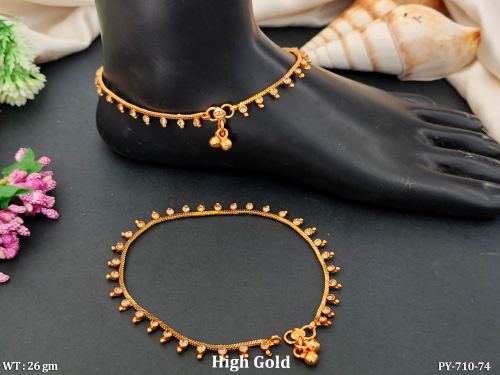
Read more
From the journal
Journal
Bridal Jewellery Checklist: Every Piece, Head to Toe
A head-to-toe bridal jewellery checklist usually covers a maang tikka or matha patti, earrings, a nath, one to three necklaces, bangles or kada, a…
GUIDE
Payal for Women: Fit and Buying Guide
What is a payal?
Payal: the Hindi name for an anklet, a chain or band worn around the ankle. Other words are used in other regions, including pajeb (pazeb), jhanjhar, nupur in Bengali, and pattilu or golusu in the South.
Payal and anklet mean the same ornament. Payal is the word most shoppers in India use, and anklet is the English word, so both appear on this page. The Wikipedia entry on anklets lists these regional names and notes that in India anklets are worn on one ankle or on both. Chain anklets can carry small bells, which chime as you walk.
Which payal styles can you buy here?
Listings are named after the finish and the decoration. The table matches each name to a look.
| Style | Look | Wear it with |
|---|---|---|
| Antique | Aged gold-tone finish, often with stones or clustered pearls | Silk sarees, lehengas, weddings |
| Oxidised finish | A dark, earthy tone on slim chains | Cotton sarees, kurtas, jeans |
| Ghungroo | Small bells hung from the chain | Festivals, dance functions, traditional wear |
| Beaded | Light chains with small beads | Daily wear, summer outfits |
| Pearl | Soft white beads on a chain | Pastel sarees, haldi, day functions |
| Stone-set | Coloured or white stones along the band | Parties, sangeet, weddings |
| Charm and heart chain | Slim chain with a small charm | Western outfits, shorts, casual wear |
What do finish names in a title mean?
Product titles use finish names such as High Gold Polish and Mehendi Polish, and some name an oxidised dark finish. They describe the colour of the surface, which is a warm yellow, a darker antique tone or a dark grey-black. They do not describe the material underneath, so choose by the photos. When we write oxidised on this page, we mean that dark finish look.
Which payal is best for a bride?
A bride usually wears a stone-set or antique payal in the same finish as her necklace and bangles, and often with ghungroo for the sound. As a styling idea, an antique payal can look rich with a deep red or maroon lehenga when the aged gold-tone matches the zari. Check that the clasp suits your ankle size and that the weight feels light after hours of wear. You can browse matching necklace sets, bangles and maang tikka, or the dulhan set page.
Which payal goes with a saree, a lehenga or western clothes?
A saree leaves the ankle visible, so a payal is easy to show. Antique and ghungroo payals suit silk sarees, while slim oxidised and beaded chains suit cotton. With a lehenga the hem often covers the ankle, so choose a heavier piece only if you will lift the skirt to dance. With jeans, shorts or a dress, a slim chain or charm anklet looks light and modern. Our saree and lehenga colour guide helps match stone colours to fabric.
Which leg do you wear a payal on?
In India anklets are worn on one ankle or on both. Custom varies by family, region and occasion, so there is no single rule to follow. Many people wear a pair, one on each ankle, while others wear a single payal on the ankle they prefer. Choose whichever feels comfortable and looks balanced with your outfit.
How do you choose the right payal length?
Fit conventions vary by maker, so check the length on each product page. To find your own measurement, use the steps below. A common guide in anklet size charts is to add roughly half to one inch (1.25 to 2.5 cm) to your ankle measurement, such as this anklet size guide.
| Step | What to do |
|---|---|
| 1 | Wrap a soft tape, or a strip of paper or string, around the narrowest part of the ankle just above the ankle bone |
| 2 | Keep it snug but not tight, so one finger can slide under |
| 3 | Mark where the ends meet and measure the strip with a ruler |
| 4 | Add the allowance for the fit you like, from snug to loose |
| 5 | Compare the result with the length on the product page, and choose the longer one if you are between sizes |
If you already own a payal that fits well, lay it flat and measure it from end to end and use that number.
Ghungroo payal and sound
Ghungroo are small bells. On a payal they hang from the chain and ring softly as you walk. They look festive with traditional wear and add music to a dance function. If you work in a quiet office or want a silent anklet, choose a plain chain, bead or stone-set design instead.
Are payals sold as a pair or a single piece?
Both formats are possible, and conventions vary by maker. Some listings are named a set, and a few say pair in the title. Read the title and the photos on the product page to see what is included, and add two listings if you want one for each ankle.
Matching your payal with other jewellery
Keep the metal tone close to your bangles and necklace. Antique payals suit antique jewellery, and oxidised ones suit oxidised jewellery. If you wear a statement kamarpatta over a saree, choose a slimmer payal so the look does not feel heavy. Also see earrings, finger rings and bracelets to complete the outfit. For gift ideas, see our Diwali and Bhai Dooj jewellery gift ideas.
Payal for haldi, mehendi and sangeet
Light chains and pearl payals suit haldi, since they pair with yellow and pastel outfits, and ghungroo payals add fun at sangeet. Our jewellery guide for haldi, mehendi and sangeet has colour and weight ideas for each function.
Choosing a payal within your budget
Payals are among the more affordable pieces in our range. Use the price filter above the products to set your limit. Free shipping starts at Rs 499, and a payal added to a necklace set or earrings can help an order reach it.
Looking after your payal
Take payals off before bathing, swimming or going into the rain. Ankles sweat and brush against floors and shoes, so wipe the piece with a soft dry cloth after wearing. Store each one in a separate pouch, with bells and stones kept from rubbing. These habits help any artificial jewellery, though no finish can be promised to last forever.
Questions? Contact us, read about OyeKudiye or check the shipping policy. Orders outside India are handled on request.
Sources: Anklet, Wikipedia (regional names, bells, worn on one or both ankles) and The Jewellery Room anklet size guide (measuring method and allowance). Anklet sizing conventions vary by maker, so check the length on each product page.
Frequently asked questions
What is the difference between a payal and an anklet?
There is no difference. Payal is the Hindi word and anklet is the English word for the same ornament worn around the ankle. Regional names include pajeb, jhanjhar, nupur, pattilu and golusu. On this page we use payal and anklet together, and every design is artificial jewellery in styles such as antique, oxidised finish and ghungroo.
Which leg should I wear a payal on?
In India anklets are worn on one ankle or on both, and custom varies by family and region. There is no single rule. Many people wear one on each ankle, while others pick one ankle that feels comfortable. Choose what looks balanced with your outfit and feels easy to walk in.
Which payal is best for a bride?
A stone-set or antique payal in the same finish as the necklace and bangles is a common bridal choice, often with ghungroo. Check the length and clasp before ordering, and pick a light design if you will wear it for many hours. Our antique payal page shows the aged gold-tone styles.
Which payal goes with a saree?
Antique and ghungroo payals suit silk sarees, since the finish echoes zari borders. For cotton and linen sarees, slim oxidised or beaded chains look relaxed. Because a saree shows the ankle, the payal is easy to see, so match its tone with your bangles and earrings.
Which payal goes with a lehenga?
A lehenga hem often covers the ankle, so a stone-set or antique payal is best when you plan to dance or lift the skirt. Match its finish to your necklace and choose a stone colour from the outfit. Light chains also work if you want comfort for a long function.
What are ghungroo payal?
Ghungroo payal are anklets with small bells that ring as you walk. The bells hang from the chain or band, and they are popular for festivals, dance functions and traditional wear. If you prefer no sound, choose a plain chain, bead or stone-set payal instead, which all have a quieter look.
What is the difference between antique and oxidised payal?
Antique payal has an aged gold-tone finish, often with stones or clustered pearls, so it looks rich and traditional. Oxidised payal has a dark, earthy finish on slimmer chains and suits casual and cotton outfits. Both are finishes of artificial jewellery, and the photos on the product page show the true colour.
How do I choose the right payal length?
Measure your ankle just above the ankle bone with a soft tape or a strip of paper, then add the allowance you like, commonly half to one inch. Compare the result with the length on the product page. Sizing conventions vary by maker, so choose the longer length if you are between sizes.
What is pajeb?
Pajeb, also spelled pazeb, is another name for the payal, used in parts of North India and Pakistan. Spelling and use vary by region, and similar words such as jhanjhar and nupur also mean an anklet. If you search for pajeb here, you will find the same payal designs on this page.
Are payals sold as a pair or as a single piece?
It depends on the listing, and conventions vary by maker. Some titles say set and a few mention pair, but many show one piece. Read the title and the photos on the product page to see what is included, and add two listings if you want one for each ankle.
Can I wear a payal with western outfits?
Yes. A slim chain, bead or charm payal looks modern with jeans, shorts, dresses and skirts. Heavier antique or ghungroo styles suit ethnic wear better. If you wear sneakers or closed shoes, a payal sits on the skin above the shoe, so keep the length snug enough to stay in place.
Can I wear a payal every day?
Yes, slim and light payals are comfortable for daily wear. Take it off before bathing, swimming or going out in heavy rain, and wipe it with a soft dry cloth after use. Keep ghungroo and heavy stone-set pieces for functions, since they can be noisy or catch on clothes.
What is the difference between artificial and imitation payal?
Both terms describe fashion jewellery made without precious metal or stones. Artificial is the word most shoppers use now, and imitation is an older word that means the same thing here. Each product page lists the finish and the stones of that design.
Is cash on delivery available for a payal?
Cash on delivery is available on orders above Rs 499 within India. Below that value you can pay online with the options at checkout. Free shipping applies to orders of Rs 499 or more, and a payal alongside earrings or a necklace set often reaches that value.
What is the return policy for a payal?
You can report a wrong, damaged or defective piece within 2 days of delivery, and the steps are on our returns and refunds page. Check the length before ordering, because the fit depends on the length listed. The 2-day window applies to orders within India only, and international orders are handled on request.