BEST
No recent searches
Start typing to search the collection.
Our artificial earrings for women cover jhumkas, studs, hoops, drops and floral designs, finished in gold-tone, oxidised, kundan, antique, pearl and AD looks. Pick small studs for work and errands, bigger jhumkas for a saree, and pairs or packs when you want more than one look. Style pages make browsing faster, so try oxidised earrings, antique earrings, AD earrings or western earrings. The guide below explains each type and when to wear it.
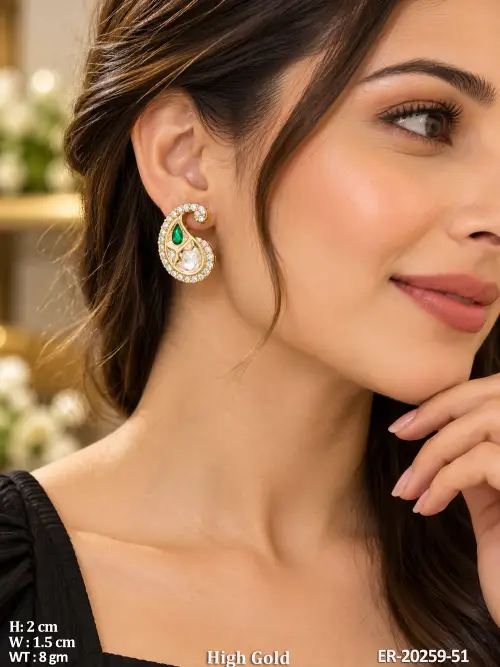
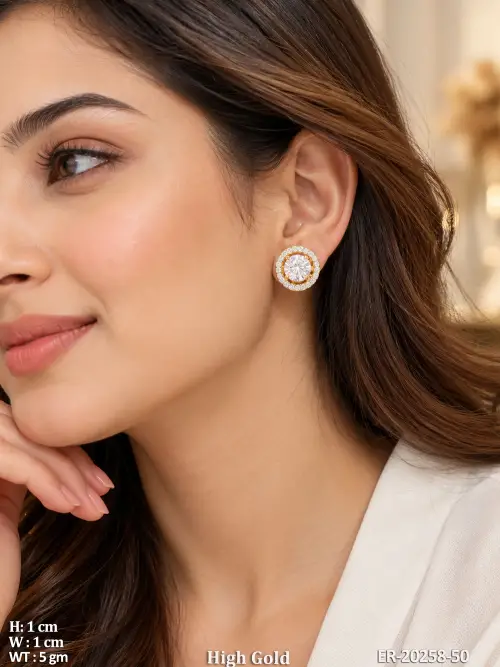
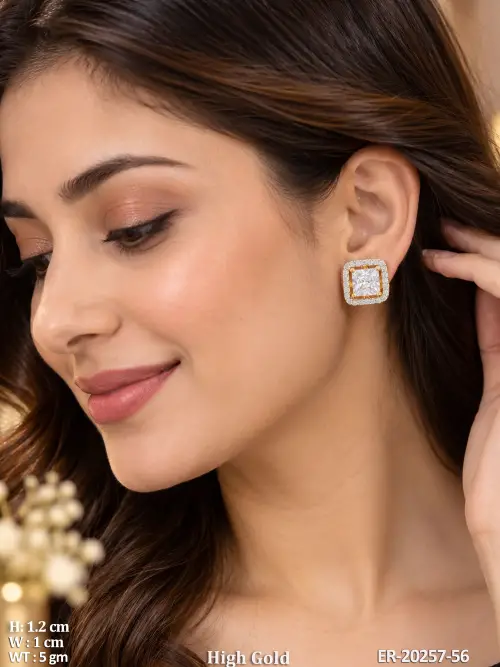
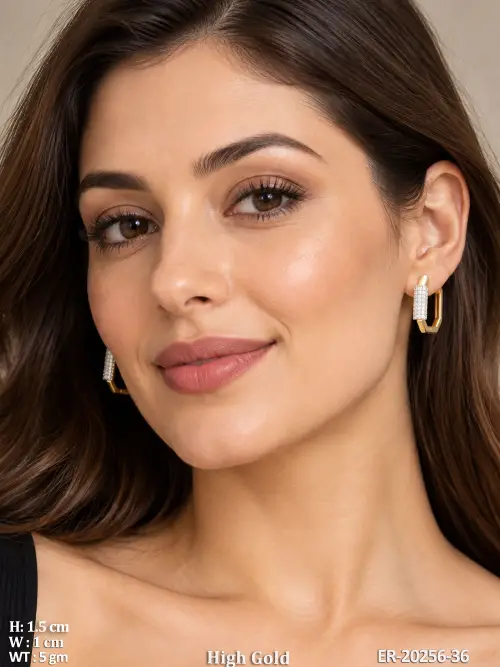
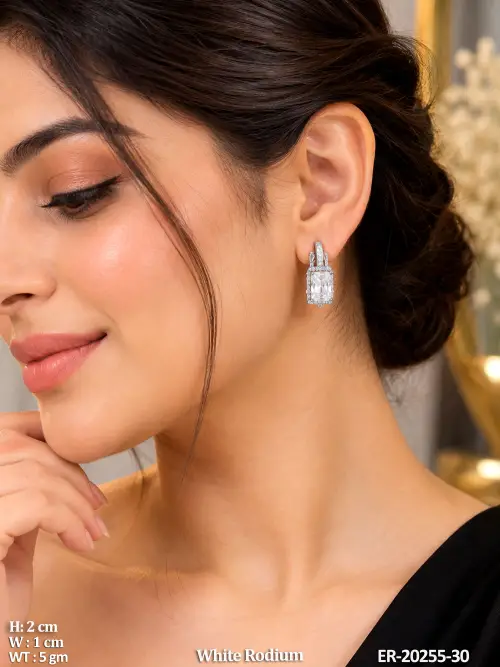
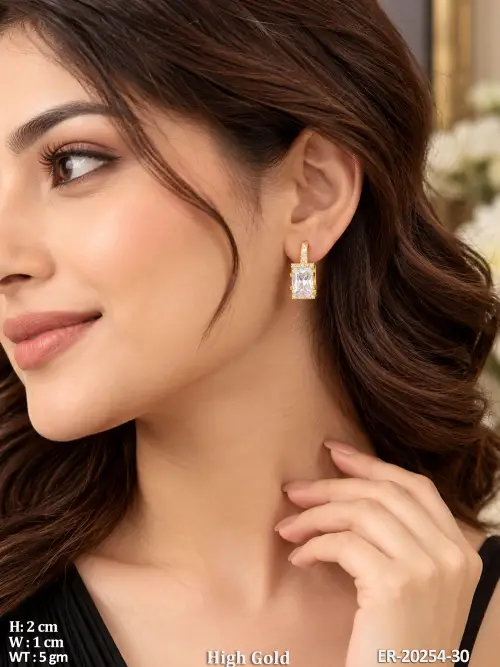
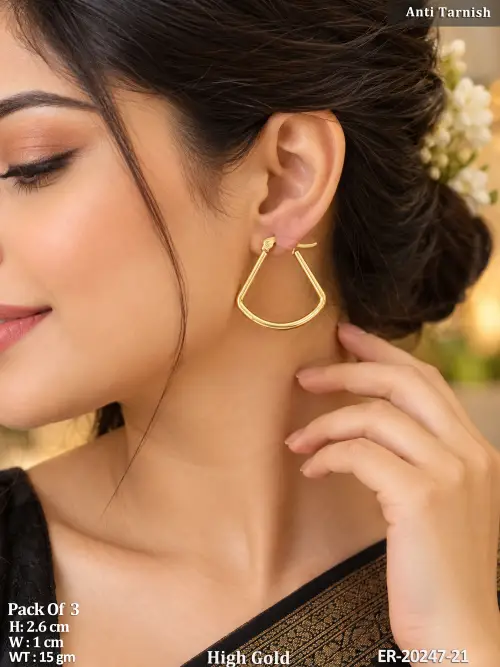
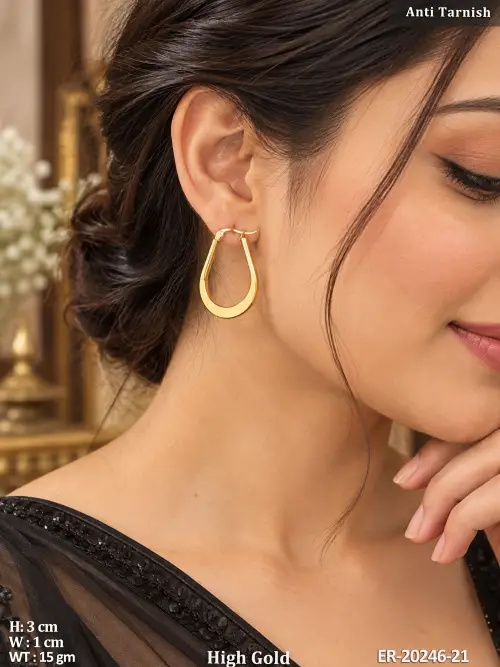
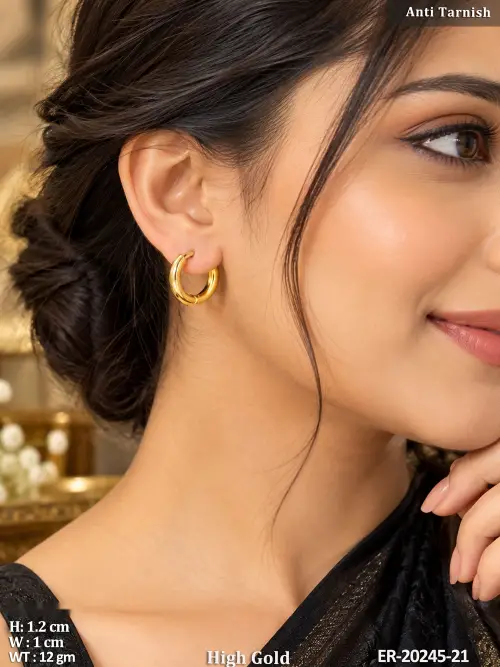
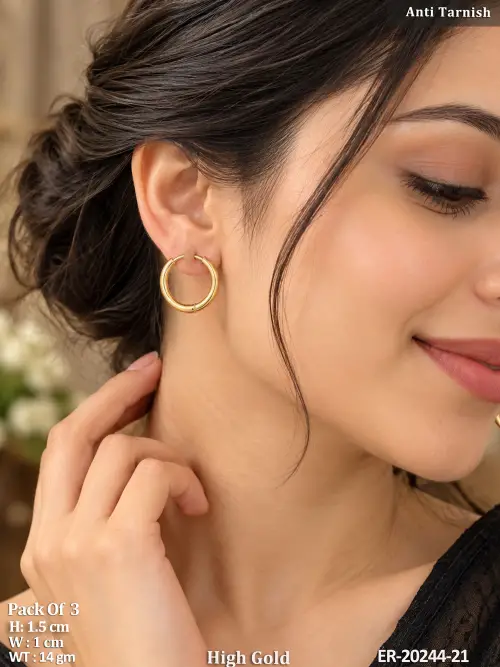
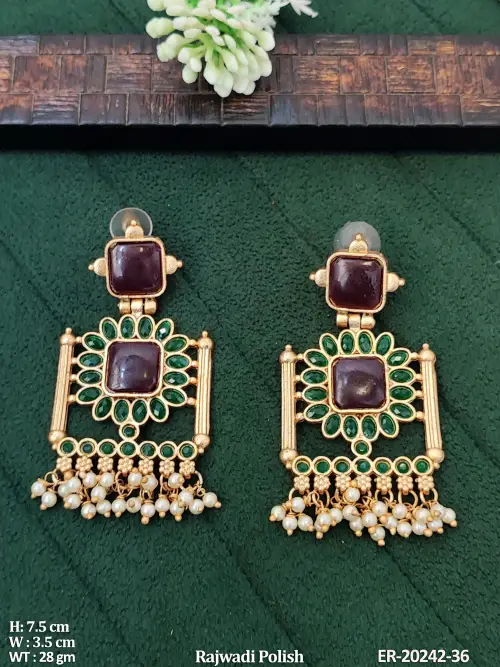
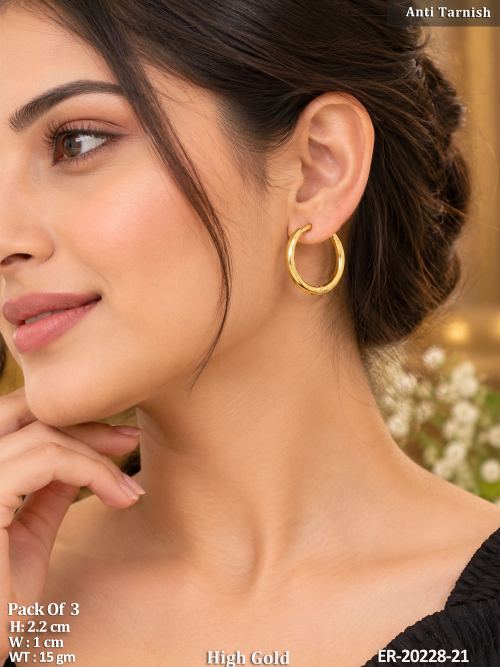
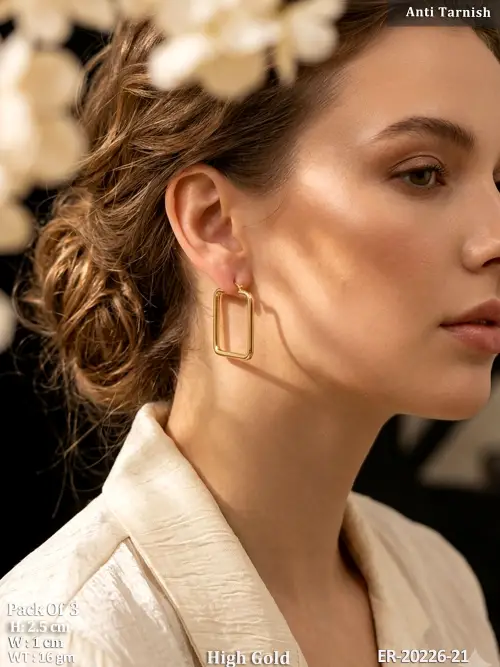
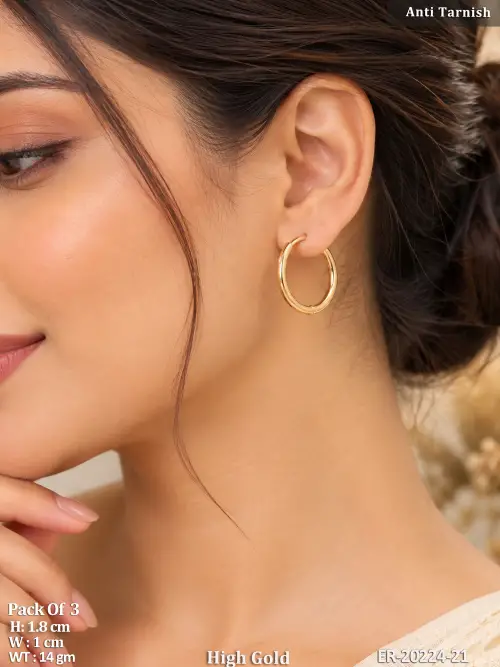
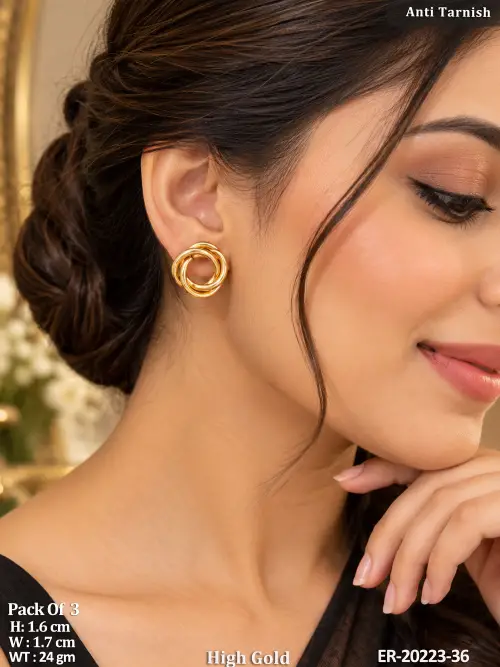
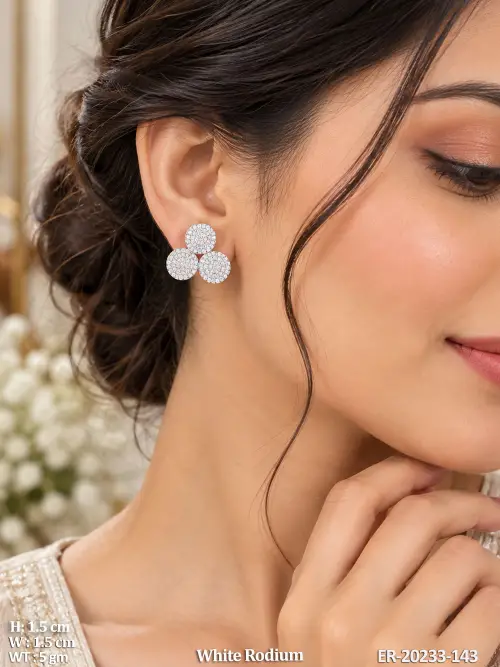
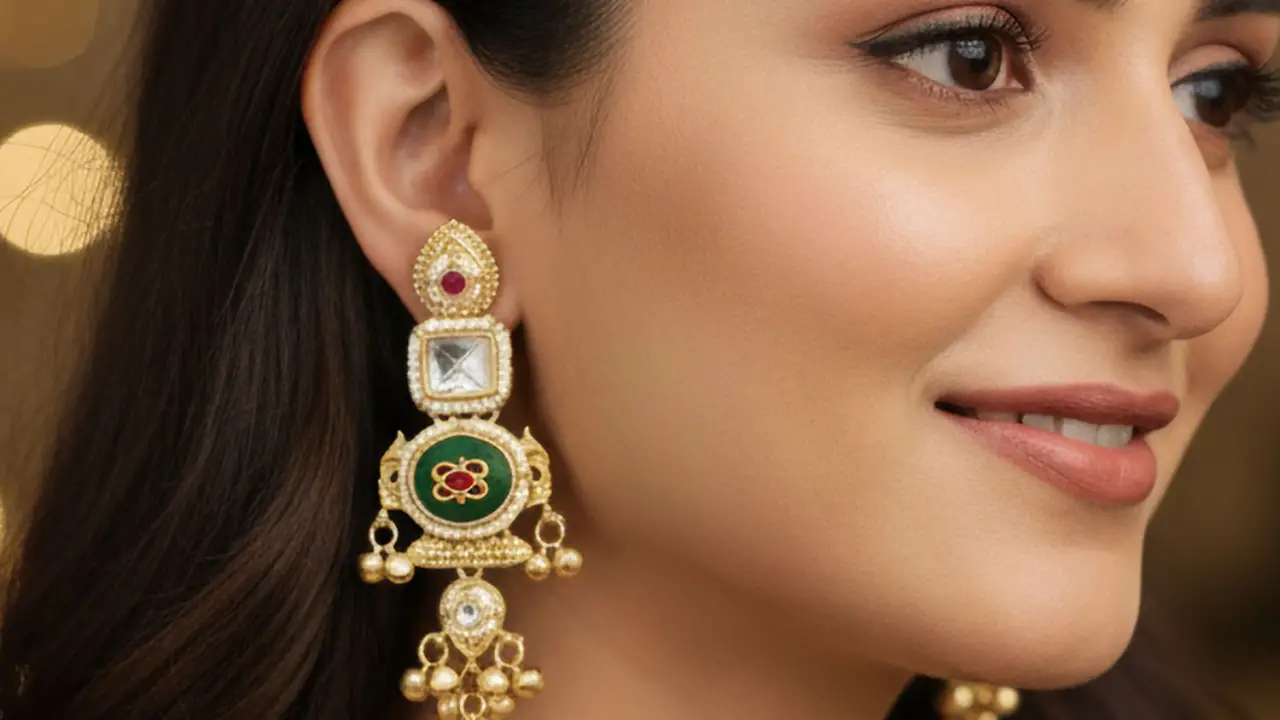
Start with the neckline. A high or collared neck needs only earrings, and a deeper neck can take a light chain or a short necklace. Let earrings…
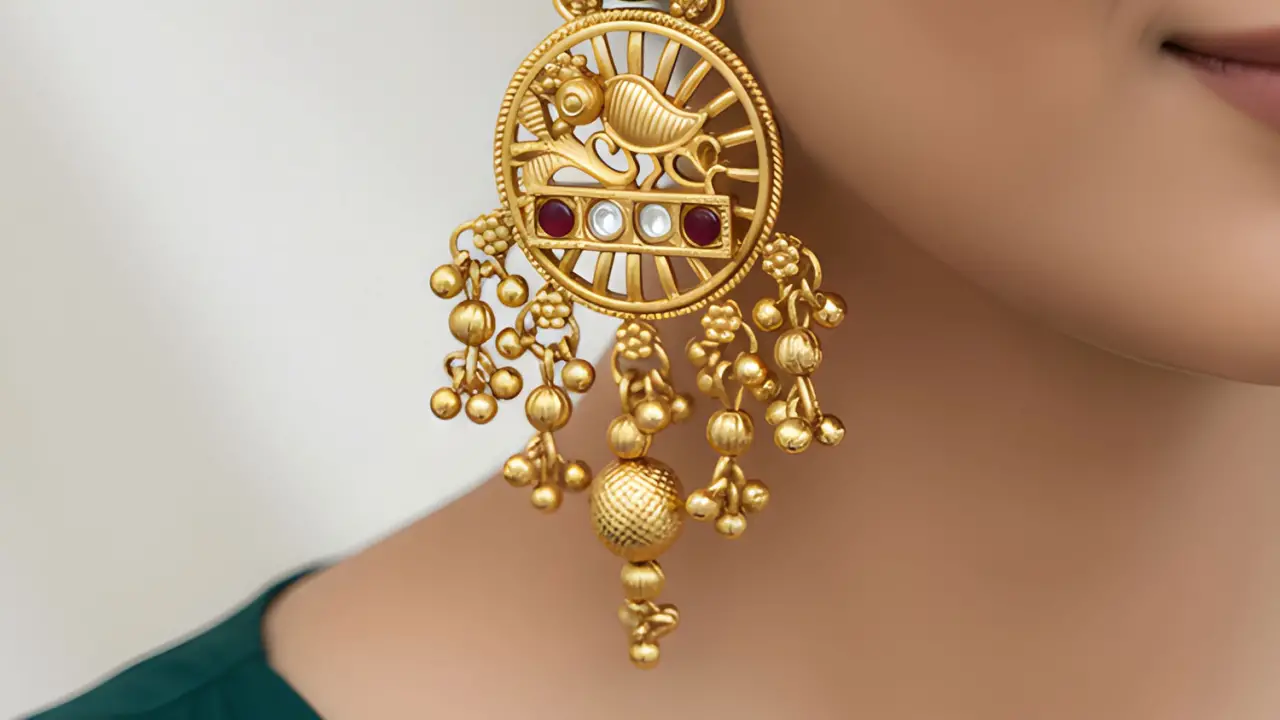
Look at your face in a mirror with your hair pulled back, notice where it is widest and how angular the jaw is, then try earrings that add contrast…
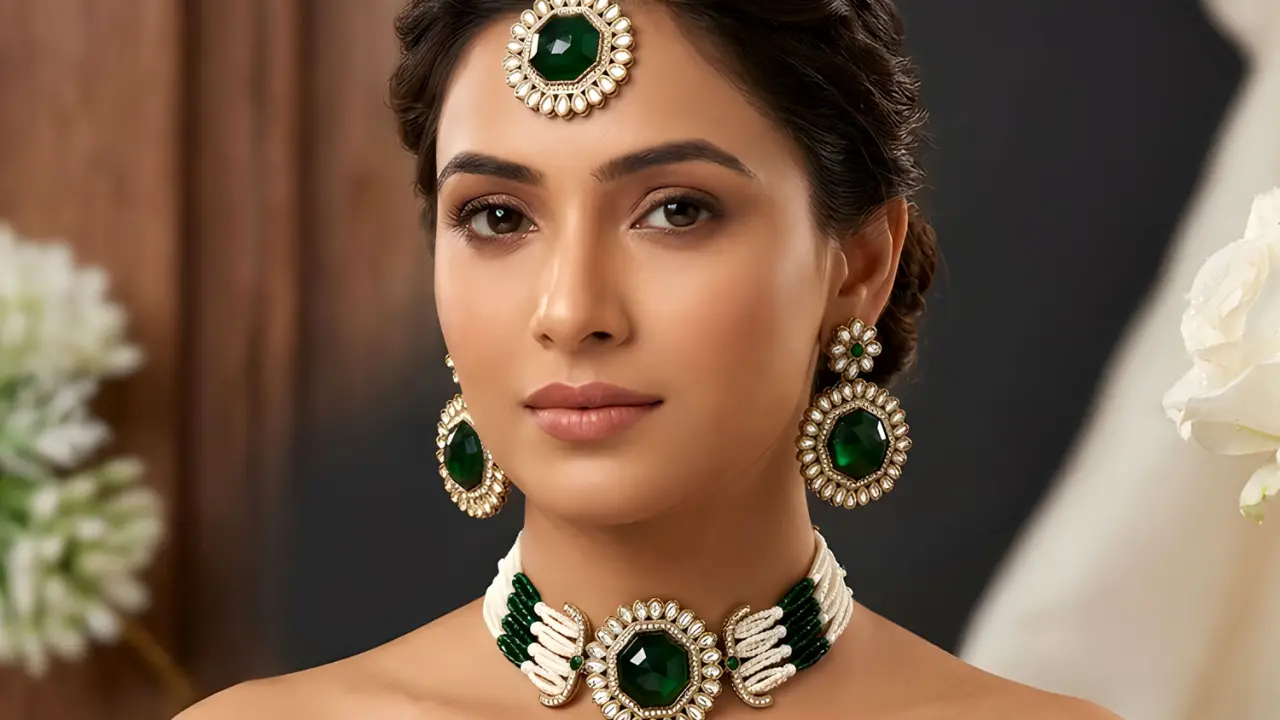
Yellow sarees pair well with gold-tone kundan, temple or pearl jewellery. Deep mustard suits gold-tone, pastel yellow suits pearls or silver-tone…
Written by the OyeKudiye editorial team · Last updated
Artificial earrings, also called imitation or fashion earrings, are made to look like traditional or modern jewellery using base metals, stones, pearls and enamel instead of precious metals. They are priced for regular buying, so you can match a pair to each outfit. Our wider range is on the artificial jewellery page. On this page you can narrow by finish, colour and price with the filters above the products, and every product page names the finish and the colour so you know what you are ordering. If a design is sold as a pair or as a pack, the title says so.
Shape matters more than finish when you want an earring to flatter your face and outfit. This table sets out the common types you will find on this page.
| Type | Shape | Best for |
|---|---|---|
| Jhumka | A bell or dome that hangs from a stud top | Sarees, kurtas, festivals |
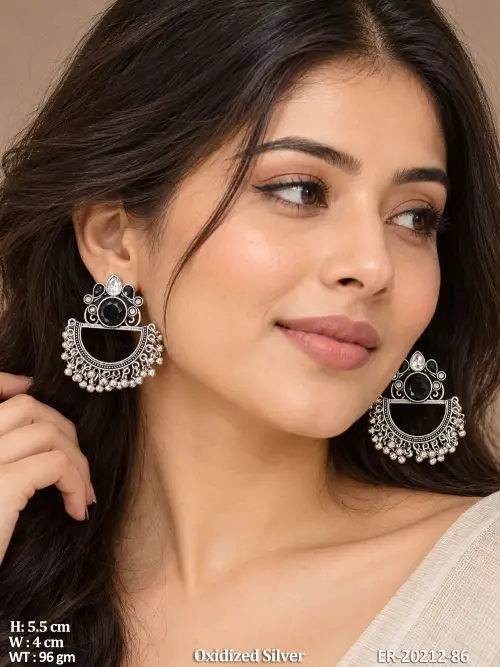
| Chandbali | A crescent or moon-shaped drop | Lehengas, weddings, heavy silk sarees |
| Bali and hoops | A ring that follows the earlobe | Kurtas, jeans, daily wear |
| Studs and tops | A small design that sits on the lobe | Office, college, everyday |
| Drops and danglers | A straight or shaped piece that falls below the lobe | Parties, dresses, sarees |
| Floral and peacock | Motifs in stone or enamel | Festive and casual wear |
Jhumka (also spelt jhumki or jhumke) is the bell-shaped Indian earring that has become a staple of festive wear. Chandbali means moon-shaped and describes a crescent that hangs from a top piece, often with pearls along the lower edge. You can see more on the jhumka page.
The finish sets the mood. Oxidised (spelt oxidized on some product names) looks darker and earthy, kundan is bright and festive, antique is soft and aged, AD is sparkly and clean, and pearl is gentle and classic.
| Finish | Look | Pairs well with |
|---|---|---|
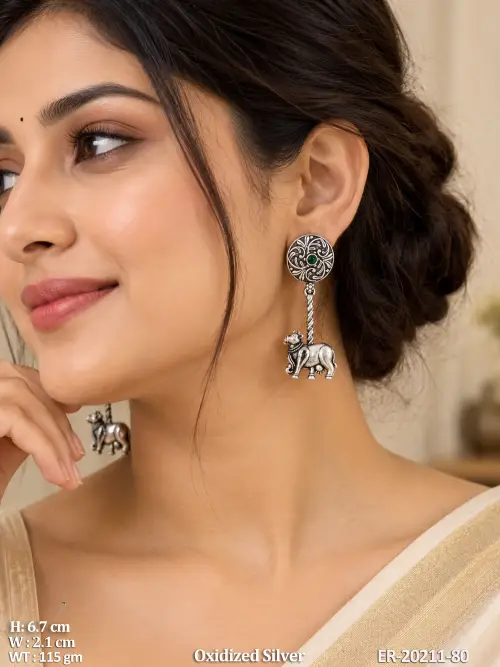
| Oxidised | Dark metal tone, tribal and floral patterns | Cotton sarees, kurtas, denim |
| Kundan | Gold-tone with bright coloured stones | Silk sarees, lehengas |
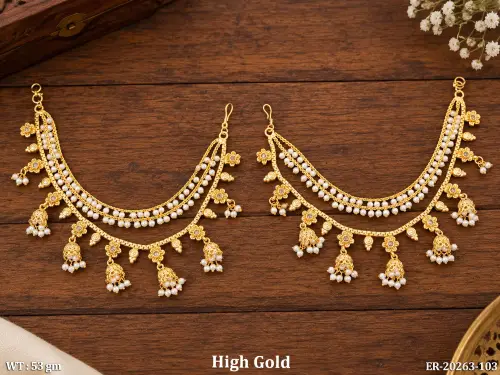
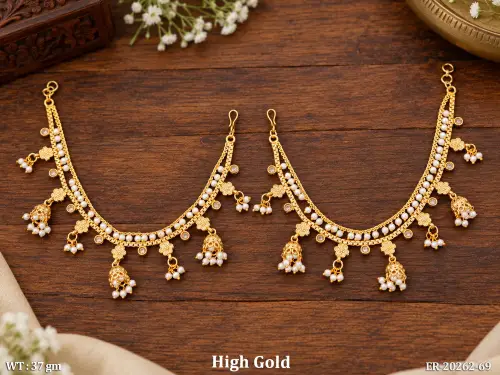
| Antique | Aged gold-tone with detailed work | Banarasi and temple-border sarees |
| AD | Clear, sparkling stones | Evening wear, gowns, party sarees |
| Pearl | Soft white or cream beads | Pastel outfits, office, weddings |
AD stands for American diamond, which is the trade name for cubic zirconia stones and not a natural diamond.
| Outfit | What to look for | Example type |
|---|---|---|
| Silk saree | Gold-tone that echoes the border | Jhumka or chandbali |
| Cotton or linen saree | Lighter, earthy finishes | Oxidised jhumka or bali |
| Lehenga | Statement size, matched to the blouse | Chandbali or large drops |
| Kurti or kurta set | Medium size, simple lines | Studs, small jhumkas, hoops |
| Western dress or jeans | Clean, modern shapes | Hoops, drops, western earrings |
For colour matching by fabric, our guide to jewellery for saree and lehenga colours shows what works with each shade. For a mehendi or sangeet outfit, see jewellery for haldi, mehendi and sangeet.
For daily wear, small studs, light hoops and pearl pairs are the easiest, because they sit close and do not catch on your hair or dupatta. For parties, choose one bigger pair and keep the neckline clean, so the earrings are the focus. Large earrings pull at the lobe, so try a heavy pair in front of a mirror before a long event.
There is no strict rule, and personal taste wins, but a few ideas help. Longer drops can make a round face look slightly narrower, while softer curves such as hoops and chandbalis balance a strong jawline. Studs suit nearly every face. If your hair is up, bigger earrings show more.
Not everyone has pierced ears, and some traditional pieces such as nath are worn without piercing. Our guide to jewellery without piercing explains the choices. For a bigger head-to-ear look, see maang tikka earrings and bugadi.
Studs are the quiet option. They sit still, they go with every neckline, and they look right in a meeting or a classroom. Hoops add a little movement and suit open hair, kurtas and jeans. If you wear glasses or a lot of necklaces, studs keep the face clear, while hoops help a plain outfit look finished. Many people keep one pair of each in a drawer for quick mornings.
At a wedding, the earrings should match the outfit and the occasion rather than outshine the bride. Kundan jhumkas and chandbalis in a gold-tone work with most silks. For Karwa Chauth, our look guide shows how to complete the outfit, and for gifting during the festival season see Diwali and Bhai Dooj jewellery gift ideas.
Your hair and neckline decide how much of the earring shows. With open hair, pick longer drops or jhumkas so they peek out. With a bun or a braid, even medium earrings stand out. If you wear a dupatta, avoid very long danglers that can snag on the fabric, and choose studs or small jhumkas instead.
Several designs are sold as packs of two pairs or more, which is a quick way to build a small collection for the same outlay as one fancy pair. Use the price filter above the products to set a limit, and remember that free shipping begins at Rs 499. If you also want a matching necklace, browse necklace sets with earrings, or add finger rings and bangles.
Keep each pair in a small pouch or a box with dividers so the hooks do not scratch the stones. Put earrings on after perfume and hair spray, and take them off before bathing, swimming or sleeping. A soft dry cloth removes oil and dust after wearing. These habits keep any artificial jewellery looking tidy, but no finish can be promised to last forever.
Need help choosing? Contact us, read about OyeKudiye or check the shipping policy. Orders outside India are handled on request.
The main types are jhumka, chandbali, bali or hoop, stud, drop and dangler. Jhumkas are bell-shaped, chandbalis are crescent-shaped, balis follow the lobe, and studs sit flat on it. Each type suits different outfits, from sarees and lehengas to kurtas and western dresses, so choose by what you will wear.
A jhumka is bell or dome shaped and hangs from a stud, while a chandbali is a crescent or moon shape that usually sits wider on the ear. Jhumkas are everyday festive favourites, and chandbalis feel more formal, so they are common with lehengas and wedding sarees.
Jhumkas and chandbalis are the classic choice for a saree, especially in a gold-tone that matches the border. For a cotton saree, oxidised jhumkas or balis look relaxed. Make sure the earrings clear your blouse neckline and hair so they are visible, and keep the necklace modest so the pair can lead.
Chandbalis and larger drops work best, because a lehenga is a heavy outfit that can hide small earrings. Match the metal tone to the blouse work and keep the necklace short or skip it. A kundan pair in matching colours is a safe pick for weddings, and a pearl pair suits pastel lehengas.
Small studs, light hoops and pearl pairs are the easiest for daily wear. They sit close to the lobe, so they do not catch on hair, scarves or dupattas. Choose a simple shape in a finish that goes with your usual clothes, such as gold-tone or oxidised, and keep one spare pair in your bag.
Yes, oxidised earrings suit daily wear because their dark, earthy look pairs with cotton kurtas, jeans and plain sarees. Pick lighter designs for the office and bigger jhumkas for festive days. Keep them dry and wipe them after wearing, as with any jewellery.
Oxidised describes a dark, antique-looking finish given to the metal. Some product names spell it oxidized. The word describes the look of the finish and not the metal underneath, and the exact finish is named on each product page. Browse the oxidised earrings page to see the full look.
AD stands for American diamond, the trade name for cubic zirconia stones that sparkle like diamonds but are not natural diamonds. AD earrings suit evening wear, parties and weddings, and they go well with white, pastel and jewel-toned outfits. See the AD earrings page for the current designs.
Artificial earrings, also called imitation or fashion earrings, are made with base metals, stones, pearls and enamel to look like traditional jewellery without using precious metals. They cost less than fine jewellery, so you can buy different pairs for different outfits and occasions.
Yes, several designs are sold as packs of two or more pairs, and the title says so. A pack gives you variety for the price of one statement pair, which suits gifting too. Check the product page for the number of pairs, the colours and the finish before you order.
Larger jhumkas can feel heavier than studs, because they carry more metal and stones. Product pages do not always list weight, so look at the photos for size and think about how long you will wear them. For a long event, choose a medium size, and for a short one, go bold.
Round faces look balanced with longer drops, and strong jawlines are softened by curves such as hoops or chandbalis. Studs suit nearly every shape. Treat this as a starting point only, because your comfort, hairstyle and outfit matter more than any rule about face shape.
Cash on delivery is available on orders above Rs 499 within India. If your earrings order is below that value, you can pay online with the options shown at checkout. Free shipping applies to orders of Rs 499 or more, so adding a second pair may help you qualify.
You can report a wrong, damaged or defective pair within 2 days of delivery, and the process is on our returns and refunds page. Earrings can fall under the hygiene exclusions, so read that part of the policy before you order. The 2-day window applies to orders within India only.
International orders are handled on request. Contact us with the pair you want and your country, and we will tell you whether we can send it and on what terms. The shipping, cash on delivery and 2-day return terms on this page are for orders within India.
SIGN IN OR JOIN
Enter your mobile number or email. We will send a one-time code, no password needed.
You will be asked to accept our Terms and Privacy Policy when you create an account.
VERIFY
We sent a 6-digit code to .
ONE MORE STEP