You open the box after a month and everything has joined together. A mala is wrapped round a bangle, two pairs of earrings are hooked through each other, and one chain has a knot that will take ten minutes to open. Most of this is not bad luck. It comes from how the pieces were put away.
This guide explains how to store artificial jewellery so it stays untangled and in good shape, piece by piece: necklaces and malas, earrings, bangles and kadas, tikkas, nath and payal. The advice is conservative on purpose. Storage can limit scratches, knots and exposure to damp, and it cannot promise that any piece will look the same in a year.
Short answer
Wipe each piece with a soft dry cloth after wearing it, let it dry, and store it separately in a soft pouch or a lined compartment. Keep necklaces flat or hanging, earrings in pairs, and bangles apart. Use a cool, dry place away from the bathroom and sunlight.
Key takeaways
- Tangles come from pieces touching, so give each piece its own pouch, hook or compartment.
- Moisture, perfume and rubbing are the usual enemies, and a short wipe-and-dry habit helps with all three.
- Each type of jewellery has an easy storage method, from hanging necklaces to pairing earrings to stacking bangles in a roll.
- A cool, dry place in a bedroom beats a bathroom shelf, and humid cities need extra care in the monsoon.
- Careful storage limits wear, but it makes no promise about how long a piece will last, so treat the advice as good habits.
What works against jewellery in a drawer
Three things cause most of the trouble in storage. The first is damp, because a humid cupboard keeps metal and stones in contact with moisture for weeks. The second is rubbing, since pieces thrown together scratch each other and bend delicate parts. The third is residue, which is the perfume, sweat, cream and hairspray that stay on a piece after you take it off.
The usual fixes are to keep pieces dry, separate them, and wipe off residue before they go away. Indian care guides add one for stone-set pieces such as kundan. Avoid soaking them, because water can affect the adhesive that holds the stones. Our care guide for kundan, pearl, AD and antique jewellery covers cleaning in full.
The five-minute routine before you put a piece away
- Take it off last, after you undress and wash.
Sweat and skin products collect on a piece while you wear it, so the sooner you remove it, the less stays on it.
- Wipe it with a soft, dry cloth.
Use a clean cotton or microfibre cloth, wipe gently and pay attention to the back and the clasp, where residue hides.
- Let it sit in the open for a few minutes.
Lay it on a clean surface so any dampness you could not see has time to go before it is closed in a box.
- Close the clasps and hooks.
A closed clasp stops a chain from catching on its neighbours.
- Give it its own place.
Put it in a pouch, a lined compartment or on a hook, so that it does not touch another piece.
How to store each type of jewellery
| Piece | An easy method | What to avoid |
|---|---|---|
| Necklaces and sets | Hang on a hook or lay flat in a lined tray, with the clasp closed | Dropping several chains into one pouch |
| Long malas | Fold into loose loops inside a soft pouch, or hang over a padded hanger | Tight coils that kink the chain |
| Earrings | One compartment per pair, or a pair per small pouch | Loose in a heap, where hooks catch on each other |
| Bangles and kadas | Slide onto a rolled cloth or a bangle stand, or wrap each in tissue | Stacking heavy pieces on top of delicate ones |
| Maang tikka and hair pieces | Flat in a shallow box with the chain straightened | Folding the chain into a knot |
| Nath | A small separate pouch | Mixing with chains, which snag the pearls |
| Payal and anklets | Closed and laid in a loop, one pair to a pouch | Leaving the bells and chain stretched open |
Necklaces and malas
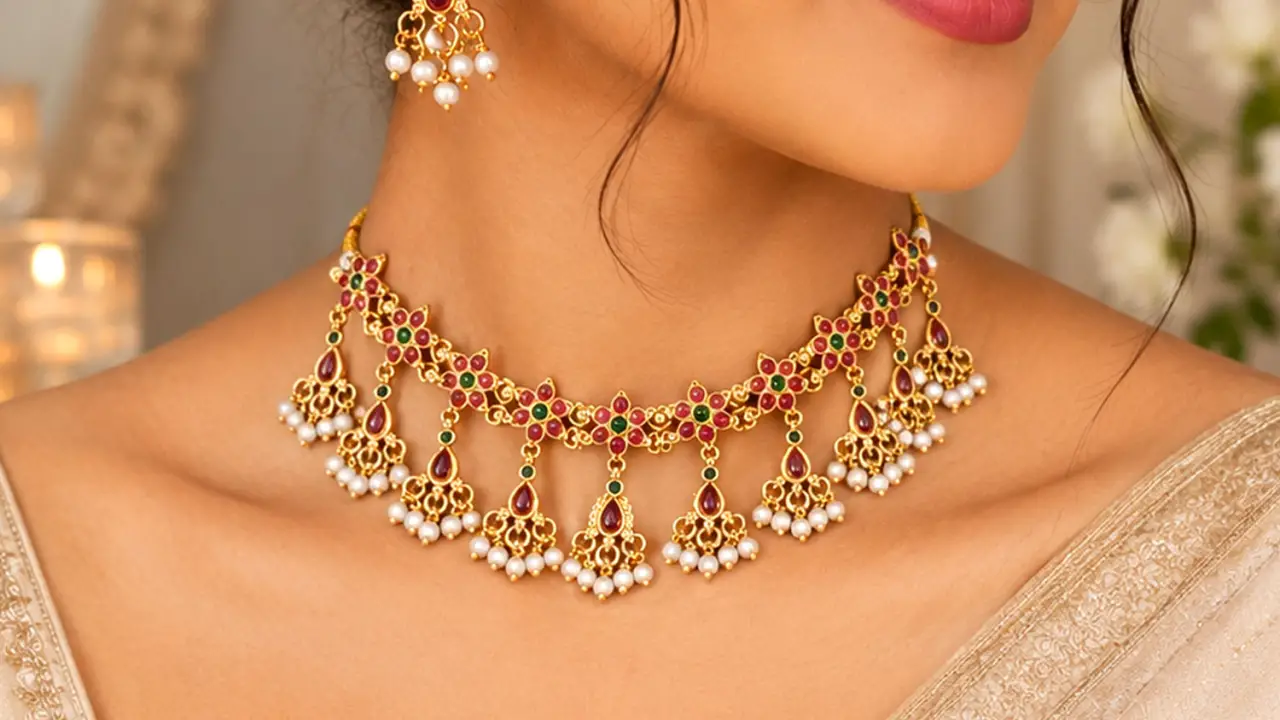
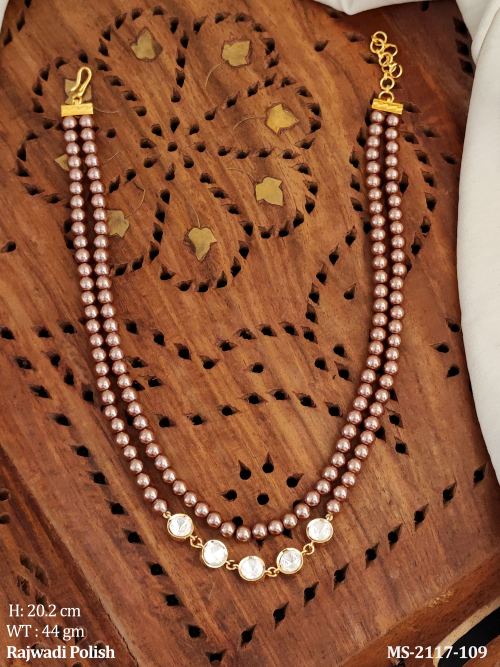
Necklaces tangle more than anything else, and the simple cure is distance. A row of hooks inside a cupboard door or on a wall board lets each necklace hang alone, with nothing touching it. If you lay them in a drawer instead, use one tray compartment or one pouch per piece. A pearl or bead necklace is better kept flat than hung, as one retailer's guide advises.
Fasten the clasp before you put a chain down. An open clasp can catch on the chain next to it. For a long mala, make loose loops instead of a tight coil, and tuck it in a soft pouch.
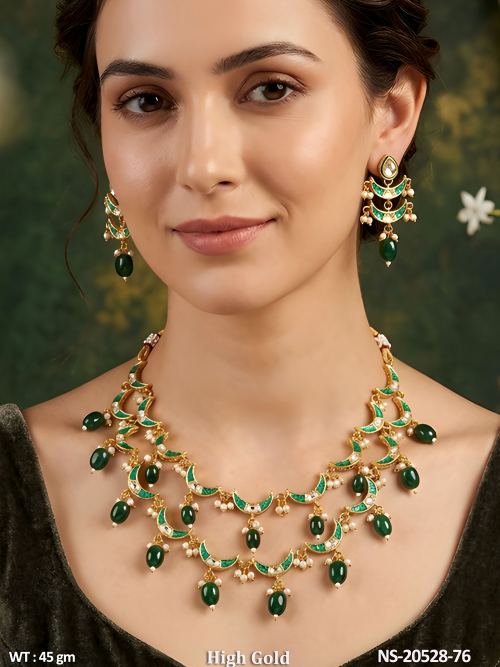
Earrings
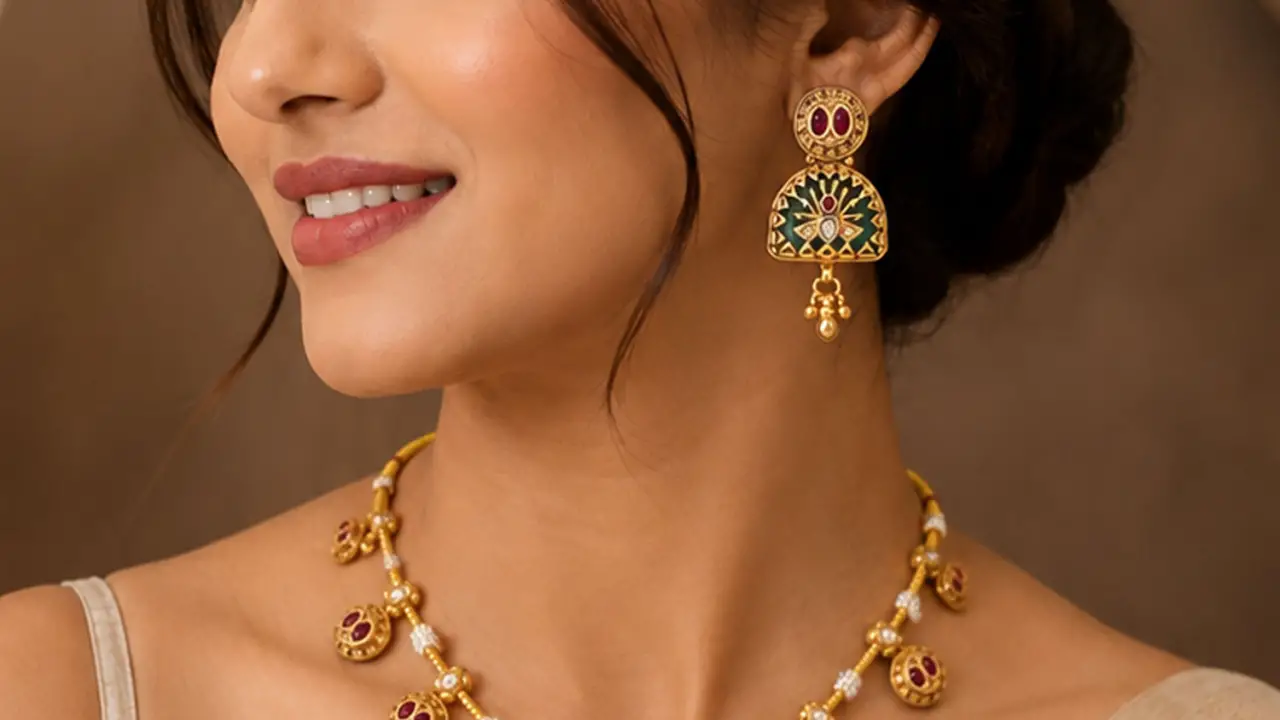
Keep earrings in pairs, so you never have to hunt for a partner. A divided tray, a small box with slots, or a pouch for each pair all work. Keep long dangling earrings, such as jhumkas and chandbalis, apart from studs, so the hooks and drops do not catch. When the earrings have pearl drops, lay them flat in their compartment so the strands do not fold.
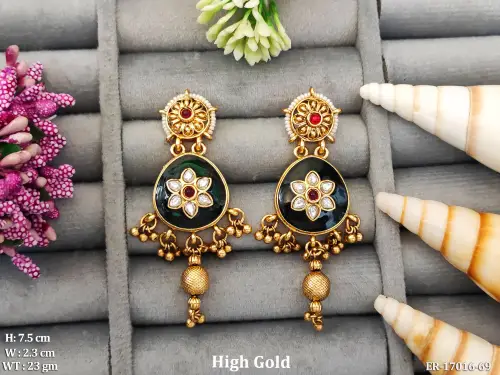
Bangles, kadas and bracelets
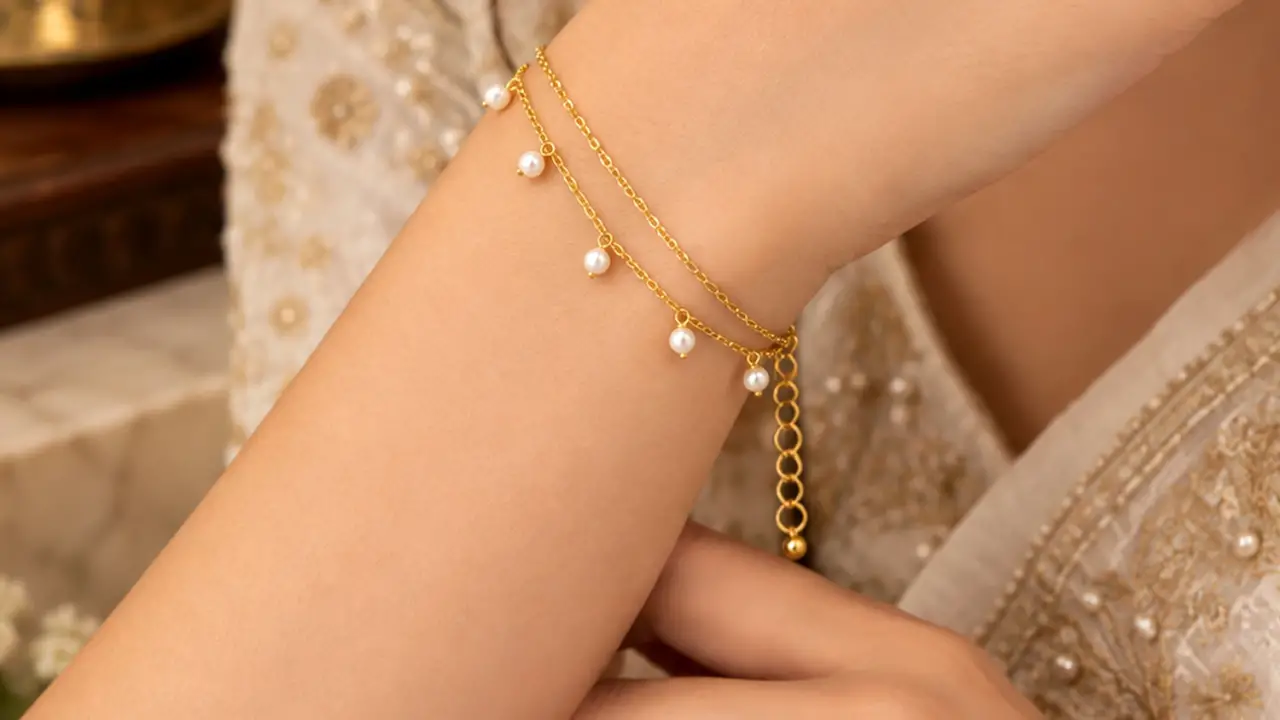
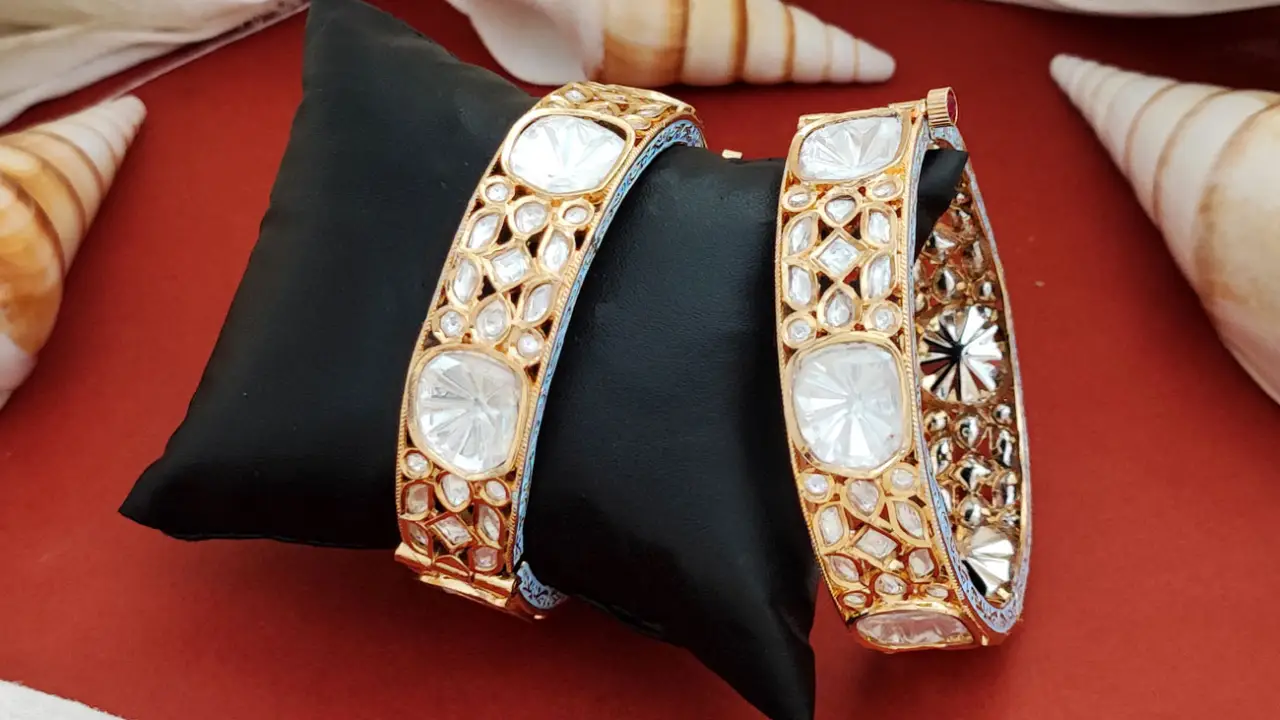
Bangles are heavy, and they scratch each other in a pile. A bangle stand is ideal. A cheaper option is a rolled-up cloth, with the bangles slid on in a row and a layer of cloth between pairs. Wrapping each set in tissue also works. Put the heavy kadas at the bottom of a box, and keep stone-set bangles, such as kundan, away from plain metal ones so the stones are not scratched.
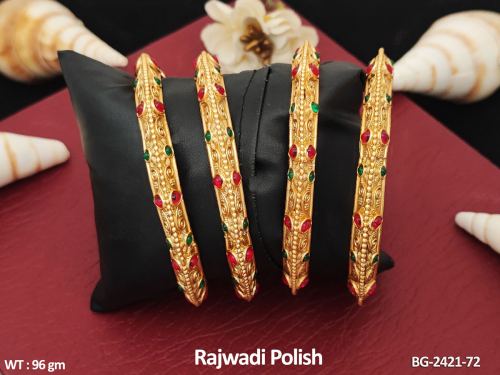
Maang tikka, nath and hair pieces
These have long chains, hooks and tiny pearls, so a shallow box with a lining is better than a drawer. Straighten the chain on a maang tikka before you close the lid, and give a nath its own pouch, because the fine pearl strings catch on bigger pieces. Our guide on how to wear a maang tikka shows how to put one on.
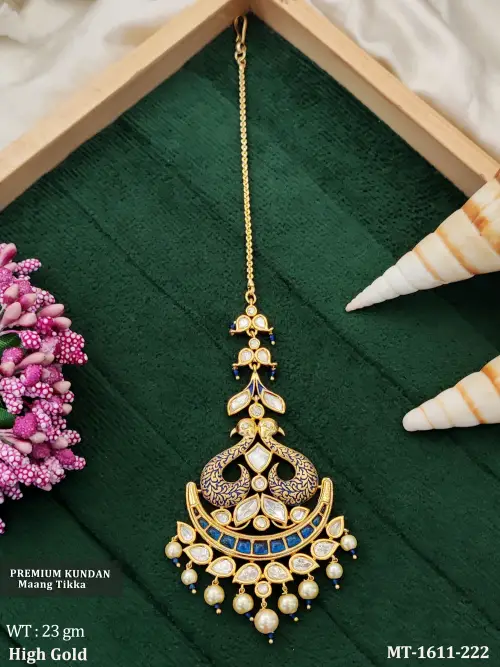
Oxidised, kundan, pearl and antique finishes
Different finishes call for the same basics, which are dry, separate and soft. Oxidised-finish pieces have a dark, matte surface that can rub off at the edges, so give them their own pouch and avoid pressing them against stone-set pieces. Kundan and similar stone-set work should be kept flat and not stacked. Keep pearl-look beads away from perfume and from tight plastic wrapping, which one guide says can dry real pearls out, so use a cloth pouch.
If you are unsure how a finish responds, wipe gently, store dry and ask us through the contact page.
Boxes, pouches, hooks and trays
| Container | Good for | Notes |
|---|---|---|
| Soft cloth pouches | Single pieces, travel, pearls | One piece per pouch; keep them in a box or drawer |
| Lined box with compartments | Earrings, rings, small pieces | A smooth, soft lining avoids scratches; follow the product page if it advises against velvet |
| Hooks, wall boards or a hanging organiser | Necklaces and chains | Keep the pieces apart and out of direct sunlight |
| Bangle stand or rolled cloth | Bangles, kadas | A cloth between pairs stops rubbing |
Our own product pages carry a care note, such as storing the piece in the pouch provided, away from direct sunlight, and wiping it with a soft dry cloth after each wear. Some listings also advise against velvet-lined boxes. Where a product page differs from this guide, follow the product page.
On plastic, guides disagree: some suggest air-tight pouches for stone-set pieces, others warn against plastic for pearls. If you use plastic, dry the piece first and keep cloth between the plastic and any pearls.
What to take off before it causes trouble
Storage starts before the box. Guides commonly suggest taking jewellery off before water, workouts, cooking and sleep, and putting it on after makeup, hair products and perfume. We make no claim about how any piece responds to water, sweat or products, so treat these as good habits that reduce wear. If a piece does get wet, dry it with a soft cloth at once and leave it out for a while before you put it away.
Humid weather and long-term storage
In a humid city or in the monsoon, keep jewellery in a cool, dry cupboard in a room you use, and avoid the bathroom and the kitchen. Several guides suggest silica gel packets in the box to absorb moisture. If you try them, keep the packet from touching the jewellery and replace or dry it as its instructions say. If a piece has been in storage for months, take it out now and then, wipe it and check for any damp.
You may also see special bags and strips sold to slow discolouring. We have not tested them on our pieces and do not recommend them. Dry storage and a soft wipe are the safer basics.

How to untangle a chain without damage
- Lay it on a flat, light surface. A white cloth makes the links easier to see.
- Find the loosest part of the knot. Work from the edge of the tangle, and not from the middle.
- Use a pin or a fine needle to ease the links apart. Pull sideways, never straight, so a thin link does not stretch.
- Stop if a link or a stone shifts. A tight knot on a delicate piece is a job for a jeweller.
Mistakes to avoid
- Tossing everything into one box. This is the main cause of tangles and scratches.
- Using the bathroom shelf. It is the most humid room in the house.
- Leaving clasps open. An open clasp can catch on other chains.
Where to start looking
If you are tidying up, start with the pieces you wear most. Browse necklace sets and beaded malas for long pieces, earrings for pairs, and bangles for stacks. If a piece does not suit you when it arrives, our returns policy allows returns within 2 days.
Frequently asked questions
How do I store artificial jewellery at home?
Wipe each piece with a soft dry cloth, let it dry, and store it separately in a pouch, a lined compartment or on a hook. Keep it in a cool, dry place away from the bathroom and sunlight. Close every clasp so chains cannot catch.
How do I store necklaces without tangling?
Give each necklace its own hook, pouch or tray compartment, and close the clasp first. Hang chains on a wall board or inside a cupboard door, or lay them flat. Never drop several chains into one pouch, because chains that touch will join together.
What box should I use for artificial jewellery?
One with compartments and a smooth, soft lining, because it keeps pieces apart and does not scratch them. Add small cloth pouches for chains and pearls, and keep the pouch your piece came in. If a product page says to avoid velvet, follow it.
How do I store bangles so they do not scratch?
Use a bangle stand, or slide the bangles onto a rolled cloth with a layer of cloth between pairs. Wrapping each set in clean tissue also works. Keep heavy kadas separate from delicate bangles, and stone-set bangles away from plain metal ones.
How do I store earrings?
Keep each pair together in its own compartment or pouch. Store long dangling earrings apart from studs so hooks and drops do not catch. A lined box with slots or a divided tray is a simple, low-cost way to keep pairs matched.
How do I store kundan jewellery?
Keep it dry, flat and separate, with each piece in its own pouch, and avoid stacking. Do not soak it, since water can affect the adhesive behind the stones. Wipe gently with a dry cloth, and see our care guide for kundan, pearl, AD and antique jewellery.
How do I store oxidised jewellery?
Keep it dry in its own soft pouch, away from stone-set pieces that could scratch its dark, matte finish. Wipe gently after wearing, and avoid rubbing hard on the edges. If you are unsure how a finish reacts, ask us before you try a cleaner.
Should I take jewellery off before sleeping?
Most guides say yes, because pieces can catch, bend or get damaged in bed, and sweat and creams stay on them overnight. Taking jewellery off also helps you wipe and store it properly. If you wear a small piece every day, check it for damage often.
Should I wear jewellery in the shower or while swimming?
Guides advise taking jewellery off first, and we make no claim that any of our pieces handles water. Take it off before washing or swimming. If a piece gets wet, dry it with a soft cloth at once and let it air before storing it.
How do I keep jewellery safe in humid weather?
Keep it in a cool, dry cupboard in a room you use, away from the bathroom and the kitchen. Many guides suggest silica gel packets in the box, kept clear of the jewellery. Wipe pieces dry before storing and check them from time to time.
Do special storage bags or strips work for artificial jewellery?
We have not tested them on our pieces and do not recommend them. Dry storage, a soft wipe after wearing and separate pouches are the safer basics. If you have a question about how a specific finish reacts, ask us through the contact page.
How do I untangle a knotted chain?
Lay it flat on a light cloth, find the loosest part of the knot and ease the links apart with a pin, pulling sideways. Do not force it or use sharp tools near stones. If a delicate piece will not come free, take it to a jeweller.
Sources
- Fabilicious Fashion: How to care for your Indian bridal jewelry (a retailer blog on kundan and polki: store each piece separately, a cool dry spot, silica gel, avoid soaking, wear after makeup and perfume)
- Style Degree: Jewellery organising and storage tips (an organiser retailer's blog: hang necklaces, pearls flat, one compartment per pair of earrings, lined boxes, silica gel; its advice on wrapping fine metals in treated cloth was not used)